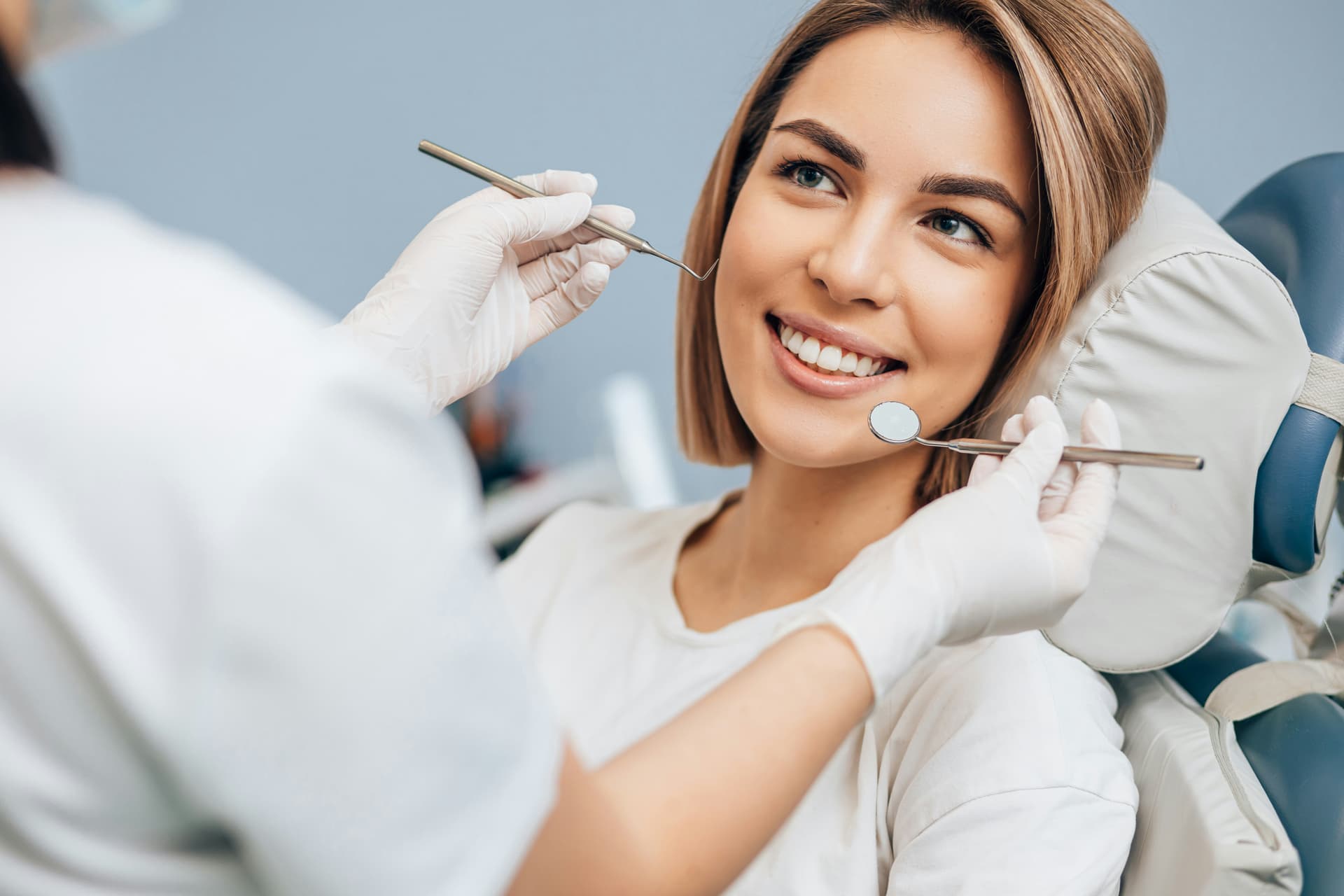
Yellow or discolored teeth can be embarrassing and can range from minor surface stains to deep, persistent discoloration that affects your confidence. Below, read on to learn about teeth whitening options and how to best achieve the bright, white smile you deserve.
What can I do for severe yellow teeth and how to stop it?
For severe tooth discoloration, professional dental whitening is the most effective immediate solution. In-office treatments like Zoom Professional Whitening or laser whitening can lighten teeth by 3-8 shades in a single appointment, providing dramatic results within 60-90 minutes.
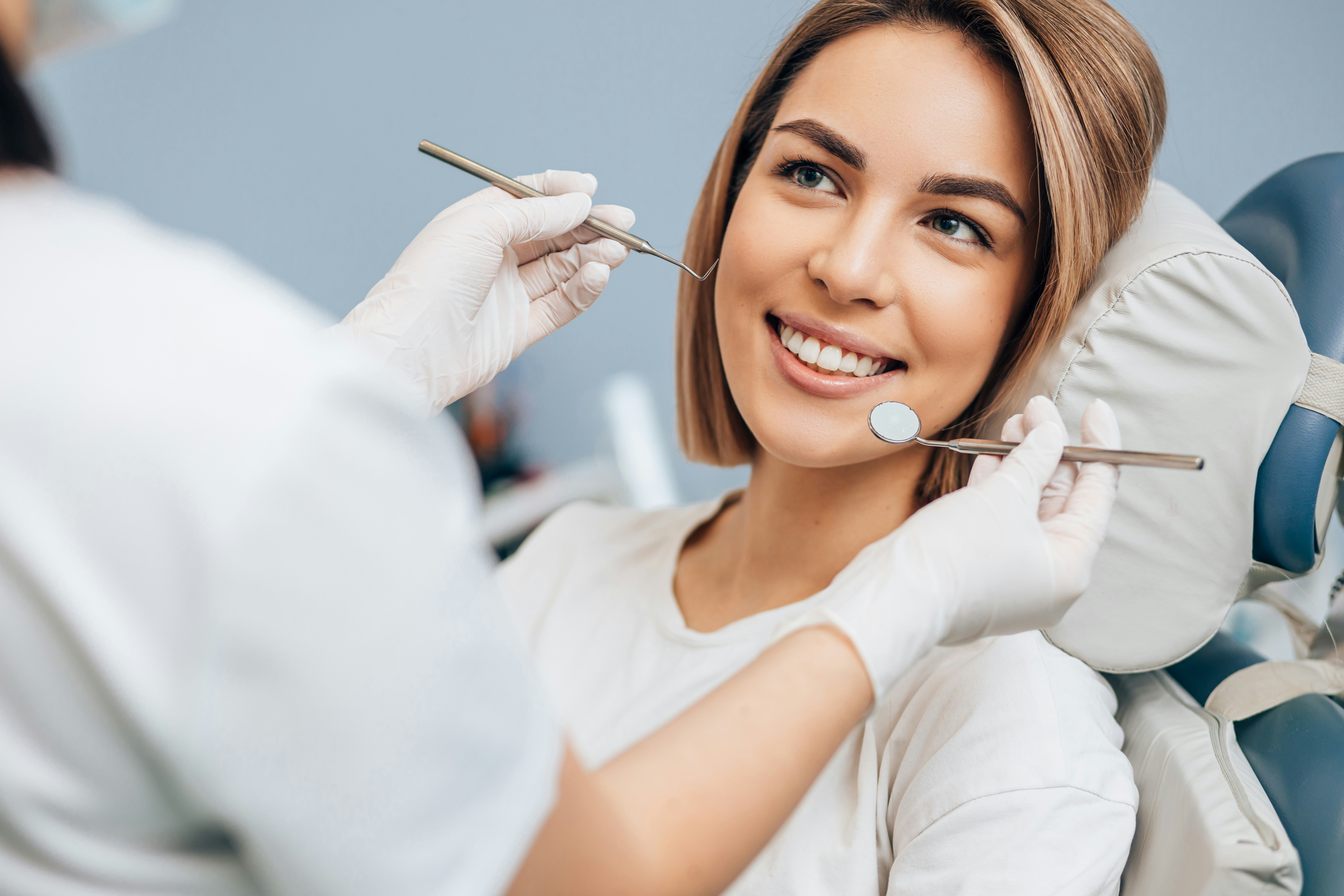
Professional treatments use higher concentrations of hydrogen peroxide (15-35%) compared to over-the-counter products, making them significantly more effective for stubborn stains. The procedure includes protective measures for your gums and customized treatment intensity based on your specific needs.
Keep in mind, severe discoloration may indicate underlying dental issues that require evaluation before whitening. Always consult with a dentist first.
What is the best whitening option for yellow teeth?
Professional in-office whitening is the gold standard for teeth whitening, offering the safest and most effective results. While at-home options exist, they cannot match the speed and dramatic results of professional treatments.
The best professional options include:
- Zoom Professional Whitening (most popular, 1-hour treatment)
- Laser whitening with carbamide peroxide
- Custom take-home professional trays with dentist-prescribed gel
- KöR Whitening System (for severe discoloration)
- Opalescence professional treatments
Professional whitening is superior because it's supervised by dental professionals, uses higher-strength bleaching agents, includes protective measures for your teeth and gums, and can address both surface and deep stains effectively.
What is the fastest way to whiten teeth at home?
If you are in San Diego and cannot immediately visit a dental office, there are several at-home remedies you can try while waiting for professional treatment...
Whitening Toothpaste with Baking Soda
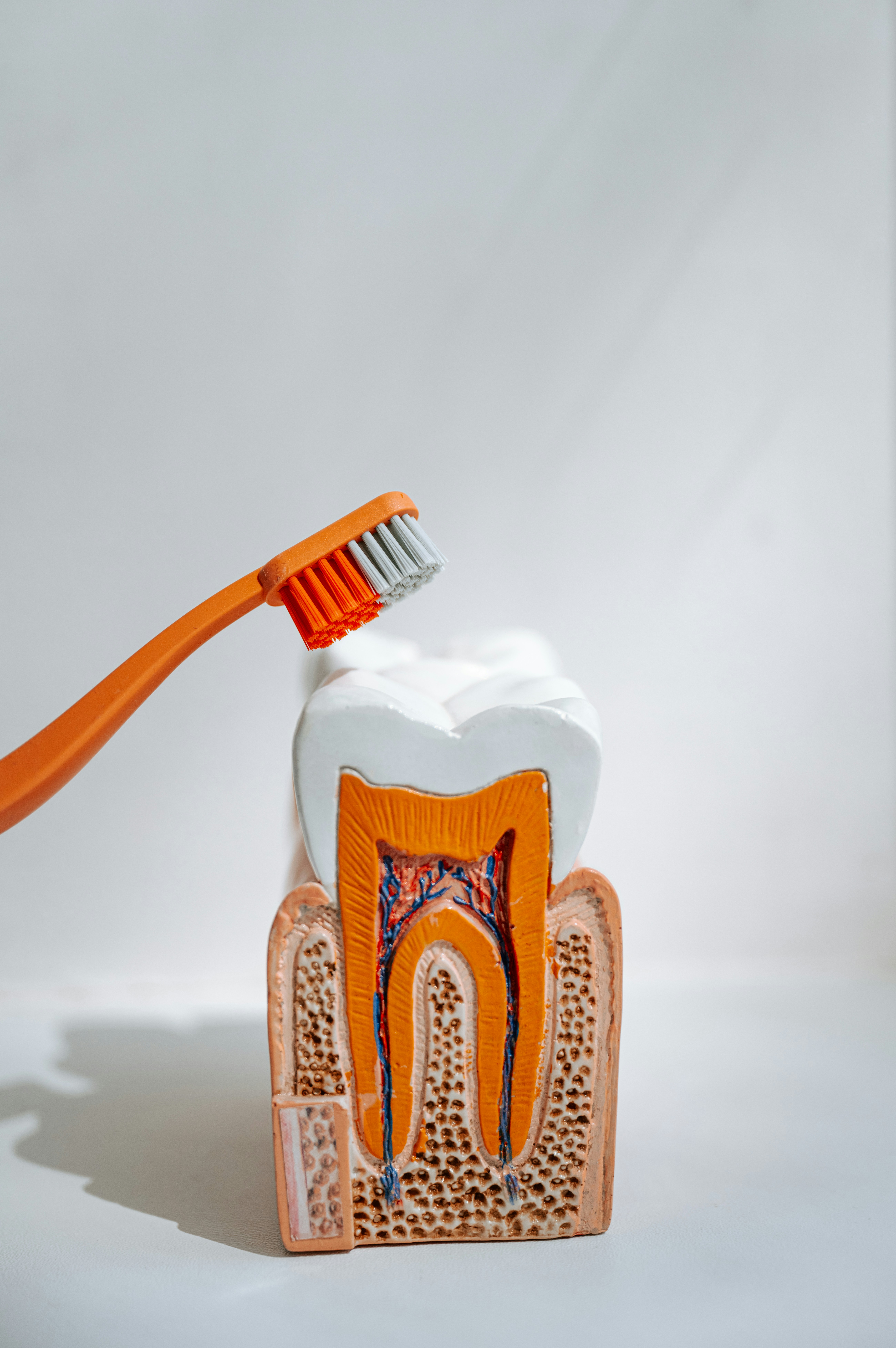
Whitening toothpaste containing baking soda can help remove surface stains and provide mild whitening effects. Baking soda is a natural abrasive that gently scrubs away stain-causing particles while neutralizing acids that can darken teeth.
How to Use Whitening Toothpaste:
- Brush with whitening toothpaste twice daily for 2 minutes each time
- Focus on stained areas but avoid excessive pressure
- Use consistently for 2-4 weeks to see noticeable results Warning: Overuse of abrasive whitening toothpaste can damage enamel.
Oil Pulling with Coconut Oil
Oil pulling is an ancient practice that can help remove bacteria and surface stains while promoting overall oral health. Coconut oil contains lauric acid, which has antimicrobial properties that can help brighten teeth naturally.
How to Do Oil Pulling:
- Take 1 tablespoon of organic coconut oil first thing in the morning
- Swish it around your mouth for 15-20 minutes (start with 5 minutes and work up)
- Spit the oil into a trash can (not the sink, as it can clog pipes) Warning: Never swallow the oil as it contains bacteria pulled from your mouth.
Hydrogen Peroxide Rinse
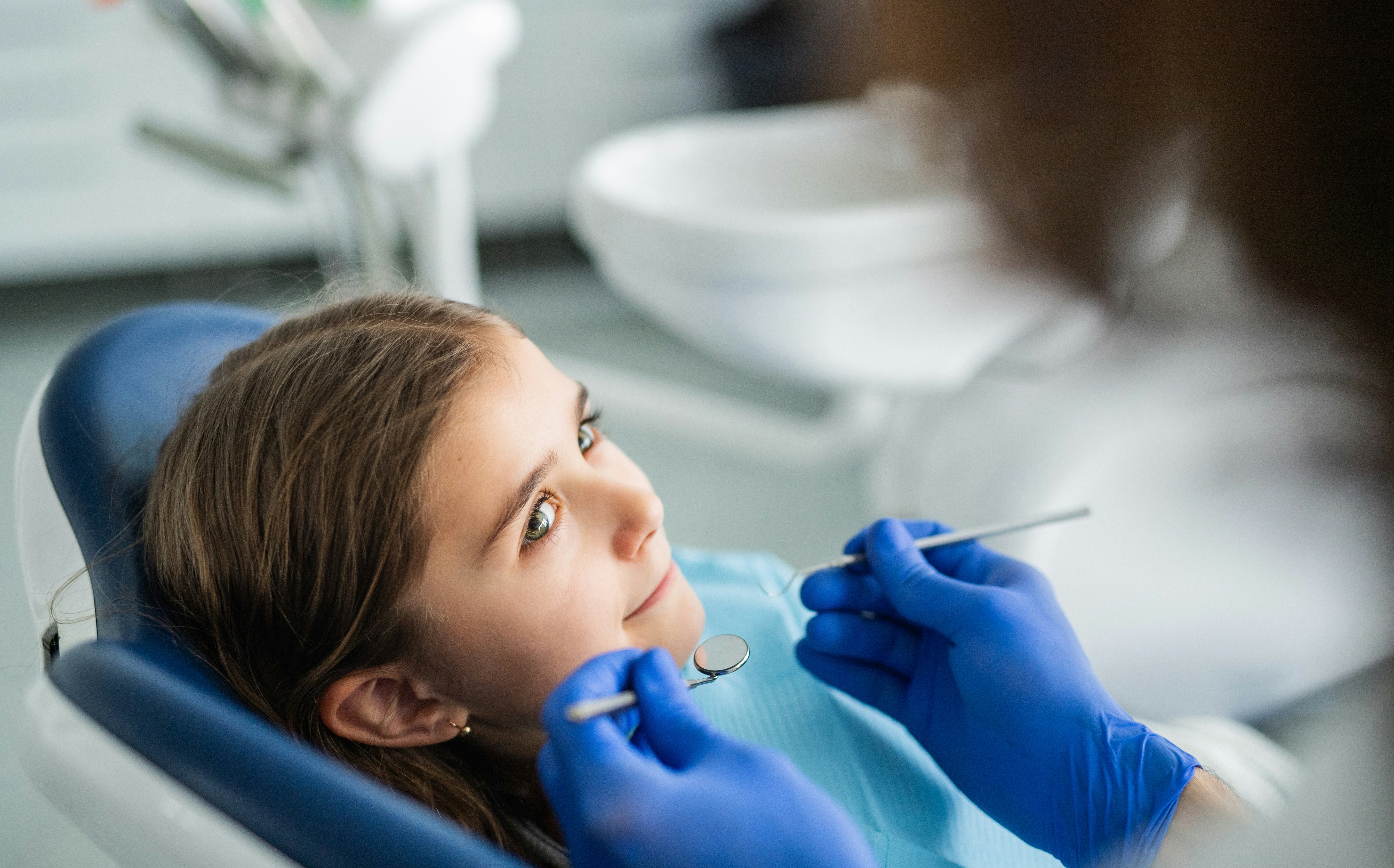
A diluted hydrogen peroxide rinse can help whiten teeth by breaking down stain molecules. Use only 3% hydrogen peroxide (available at pharmacies) and always dilute it properly to avoid irritation.
Keep in mind, overuse of hydrogen peroxide can cause tooth sensitivity and gum irritation. Limit use to 2-3 times per week.
How to Make Hydrogen Peroxide Rinse:
- Mix equal parts 3% hydrogen peroxide and water (1:1 ratio)
- Swish the mixture in your mouth for 30-60 seconds
- Rinse thoroughly with plain water afterward Warning: Never use higher concentrations or swallow the solution.
Strawberry and Baking Soda Paste
Strawberries contain malic acid, a natural enzyme that can help remove surface stains. When combined with baking soda, this creates a gentle whitening paste that's been popularized by various beauty influencers.
How to Make Strawberry Whitening Paste:
- Mash 1 ripe strawberry and mix with 1/2 teaspoon baking soda
- Apply the paste to your teeth using a soft toothbrush
- Let it sit for 5 minutes, then brush gently and rinse thoroughly Warning: Use only once per week as the acid can weaken enamel with overuse.
Apple Cider Vinegar Rinse
Apple cider vinegar has natural bleaching properties and can help remove stubborn stains. However, it must be used carefully due to its high acidity, which can erode tooth enamel if used improperly.
How to Use Apple Cider Vinegar:
- Dilute 1 teaspoon apple cider vinegar in 1 cup of water
- Swish for 30 seconds maximum
- Rinse immediately with plain water and wait 1 hour before brushing Warning: Never use undiluted vinegar or use this method more than 2-3 times per week.
Activated Charcoal Powder
Food-grade activated charcoal can help absorb surface stains and toxins from teeth. While controversial, many people report whitening effects when used occasionally as part of their oral care routine.
Keep in mind, activated charcoal is abrasive and can wear down enamel if used too frequently. It may also stain dental work.
How to Use Activated Charcoal:
- Wet your toothbrush and dip it in activated charcoal powder
- Gently brush for 2 minutes, focusing on stained areas
- Rinse thoroughly until all black residue is gone Warning: Use only food-grade activated charcoal and limit to once per week maximum.
Whitening Strips
Over-the-counter whitening strips offer a convenient at-home option with proven results. They contain lower concentrations of hydrogen peroxide than professional treatments but can still provide noticeable whitening.
How to Use Whitening Strips:
- Apply strips to clean, dry teeth according to package directions
- Leave on for the specified time (usually 30 minutes)
- Remove strips and rinse mouth with water Warning: Follow package instructions exactly and discontinue if you experience severe sensitivity.
Additional remedies for yellow teeth:
- Professional whitening mouthwash
- Whitening pens for touch-ups
- Custom whitening trays
- Electric toothbrushes with whitening modes
- Enzyme-based whitening tablets
What causes yellow teeth and discoloration?
Tooth discoloration occurs when staining substances penetrate the tooth enamel or when the underlying dentin layer becomes more visible due to enamel thinning.
The most common causes of yellow teeth are:
- Coffee, tea, and red wine consumption
- Tobacco use (smoking or chewing)
- Aging (enamel naturally thins over time)
- Certain medications (tetracycline antibiotics, antihistamines)
- Excessive fluoride exposure during tooth development
- Genetics (some people naturally have yellower teeth)
- Poor oral hygiene leading to plaque and tartar buildup
- Acidic foods that erode enamel (citrus fruits, sodas)
Why Do I Have Yellow Teeth?
Your teeth may be yellowing due to a combination of lifestyle factors, genetics, and natural aging processes.
Common reasons for tooth discoloration include:
- Daily coffee or tea consumption without proper rinsing
- Smoking or using tobacco products
- Natural aging process (enamel becomes thinner, revealing yellow dentin)
- Genetics determining your natural tooth color
- Taking certain antibiotics as a child (tetracycline staining)
- Drinking dark-colored beverages regularly (wine, cola, sports drinks)
- Poor brushing and flossing habits
- Eating highly pigmented foods (berries, tomato sauce, curry)
- Dry mouth conditions that reduce saliva production
- Grinding or clenching teeth (causing enamel wear)
- Certain medical conditions affecting tooth development
- Using too much fluoride (fluorosis)
What To Do When You Have Yellow Teeth From Coffee Consumption?
Coffee is one of the most common causes of tooth staining due to its high concentration of tannins, which are compounds that cause color and staining. If you're a regular coffee drinker experiencing yellowing, you'll need a targeted approach.
Other factors that may cause coffee-related staining:
- Drinking coffee slowly throughout the day (prolonged exposure)
- Adding sugar, which feeds bacteria and creates additional staining
- Drinking very hot coffee, which opens tooth pores
- Not rinsing with water after coffee consumption
- Drinking coffee immediately after acidic foods or drinks
If staining persists, it is important to consider professional whitening treatments for the most effective results.
How To Handle Yellow Teeth From Medication Side Effects
Certain medications, particularly tetracycline antibiotics taken during childhood, can cause deep, intrinsic staining that's resistant to traditional whitening methods. This type of discoloration appears as gray-brown or yellow-brown bands across the teeth.
In the meantime, there are a few short-term fixes while planning professional treatment:
- Use whitening toothpaste to address surface stains
- Apply whitening strips for mild improvement
- Try oil pulling to improve overall oral health
- Avoid additional staining substances
Prevention Tips
- Always take medications with water to minimize contact time
- Rinse mouth after liquid medications
- Use a straw when taking liquid medications that may stain
- Discuss alternative medications with your doctor if staining is severe
- Professional treatments like KöR Whitening may be necessary for medication-induced staining that doesn't respond to conventional methods.
How To Maintain Daily Activities With Yellow Teeth
Yellow teeth can significantly impact your confidence in social situations, work presentations, dating, and everyday interactions. The psychological effects often extend beyond the physical appearance, affecting how you speak, smile, and engage with others.
Below are some steps that may help while pursuing whitening treatment:
- Practice confident speaking and smiling techniques
- Use makeup techniques to make teeth appear whiter (red-based lipstick shades)
- Focus on excellent oral hygiene to prevent further staining
- Consider temporary cosmetic solutions like whitening pens for special events
- Maintain good posture and eye contact to draw attention away from teeth
- Schedule professional cleaning to remove surface stains
- Plan social activities that don't focus heavily on appearance
- Use whitening mouthwash before important events
Why Are Yellow Teeth Worse After Drinking Coffee or Wine?
Teeth appear more yellow after consuming staining beverages because tannins and chromogens (pigment molecules) in these drinks temporarily bind to tooth enamel, especially when the enamel is softened by acids. This creates an immediate staining effect that's most noticeable right after consumption.
Why Does Tooth Yellowing Come and Go?
Tooth color can appear to fluctuate based on various factors throughout the day and over time. Some staining is temporary and can be removed with proper oral hygiene, while other discoloration becomes permanent if not addressed promptly.
The varying appearance of tooth yellowing depends on lighting conditions, hydration levels, recent food and drink consumption, the presence of plaque or tartar, and the natural variation in enamel thickness across different teeth.
When To See a Dentist for Yellow Teeth
Professional dental evaluation becomes necessary when at-home whitening methods fail to produce satisfactory results or when discoloration is severe enough to impact your quality of life and confidence.
Contact a dentist if you experience the following symptoms:
- Severe yellowing that doesn't improve with over-the-counter products
- Tooth sensitivity or pain during whitening attempts
- Uneven discoloration or spots on teeth
- Yellowing accompanied by tooth decay or gum disease
- Sudden color changes in one or more teeth
- Gray or brown discoloration (may indicate deeper issues)
- Whitening treatments causing severe tooth or gum irritation
- Discoloration affecting your professional or social life significantly
Can I Prevent Yellow Teeth?
The best way to prevent tooth discoloration is to maintain excellent oral hygiene while minimizing exposure to staining substances and protecting your enamel from erosion.
- Brush twice daily with whitening toothpaste and floss regularly to remove plaque
- Rinse with water immediately after consuming coffee, tea, wine, or other staining beverages
- Use a straw when drinking dark-colored or acidic beverages to minimize tooth contact
- Limit consumption of known staining substances (tobacco, dark berries, tomato sauce)
- Schedule regular professional cleanings and checkups every six months
- Consider touch-up whitening treatments annually to maintain results
- Stay hydrated to maintain good saliva production for natural tooth cleaning
For the most effective and safest teeth whitening results, professional treatment remains the gold standard. At Carmel Mountain Dentist, Dr. Olaes offers comprehensive cosmetic dentistry services including professional whitening treatments tailored to your specific needs and goals.
Call (858) 487-4683 to schedule an appointment with Dr. Olaes at Carmel Mountain Dentist. We serve patients throughout Carmel Mountain Ranch, Rancho Bernardo, 4S Ranch, Poway, and the greater San Diego area.