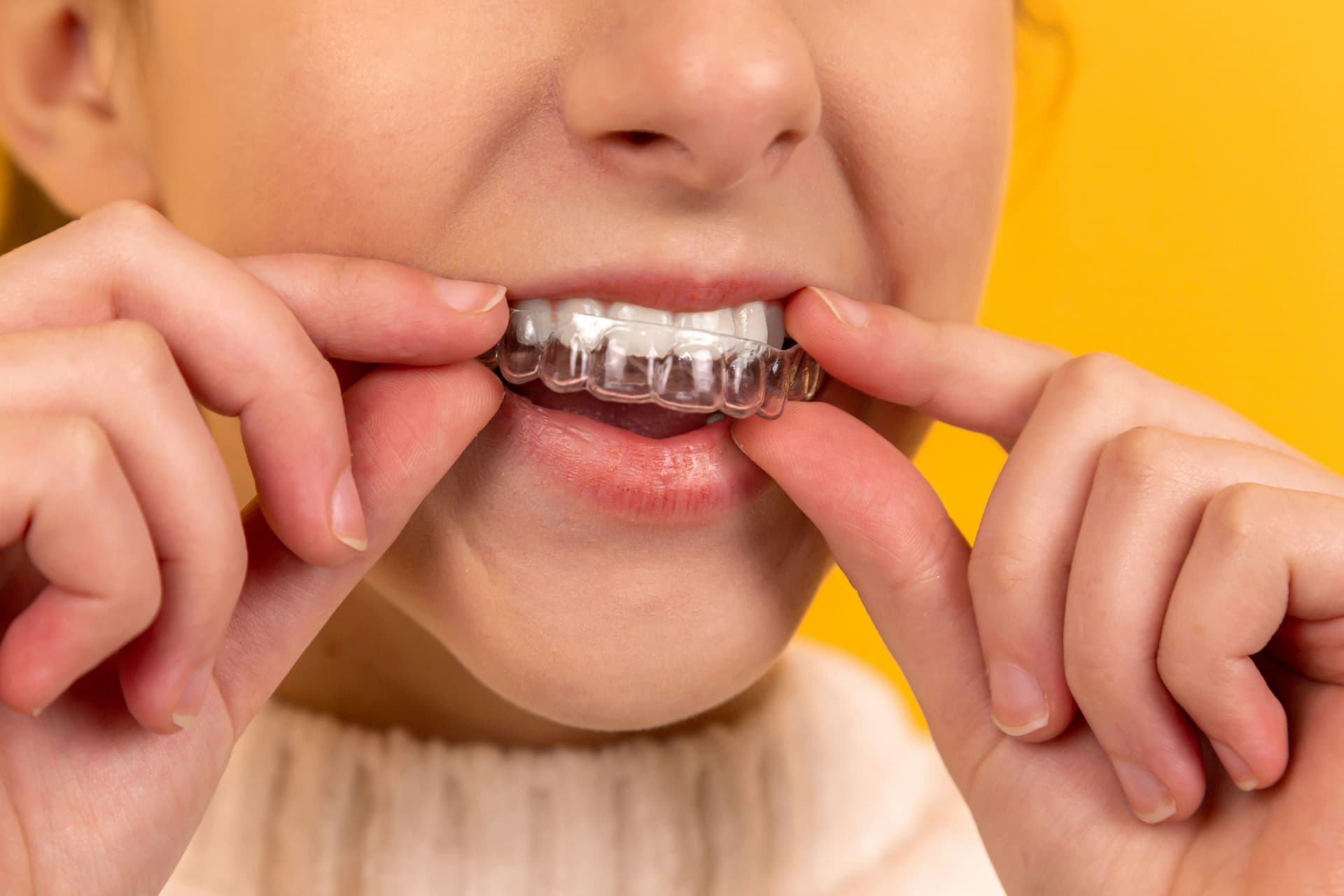
Choosing between Invisalign and traditional braces is a major decision that affects your daily life, appearance, and budget for months or years to come. Both orthodontic treatments can effectively straighten your teeth, but they work in different ways and offer distinct advantages. Below, read on to learn about both treatment options and how to determine which is best suited for your specific needs and lifestyle.
What should I choose for immediate teeth straightening results?
If you need the fastest and most predictable results for complex orthodontic issues, traditional metal braces are typically the most effective immediate solution. Braces can handle severe misalignments, significant bite problems, and complex tooth movements that clear aligners may struggle with. For adults seeking a more discreet option with good results for mild to moderate issues, Invisalign (clear aligners) offers excellent aesthetic appeal during treatment.
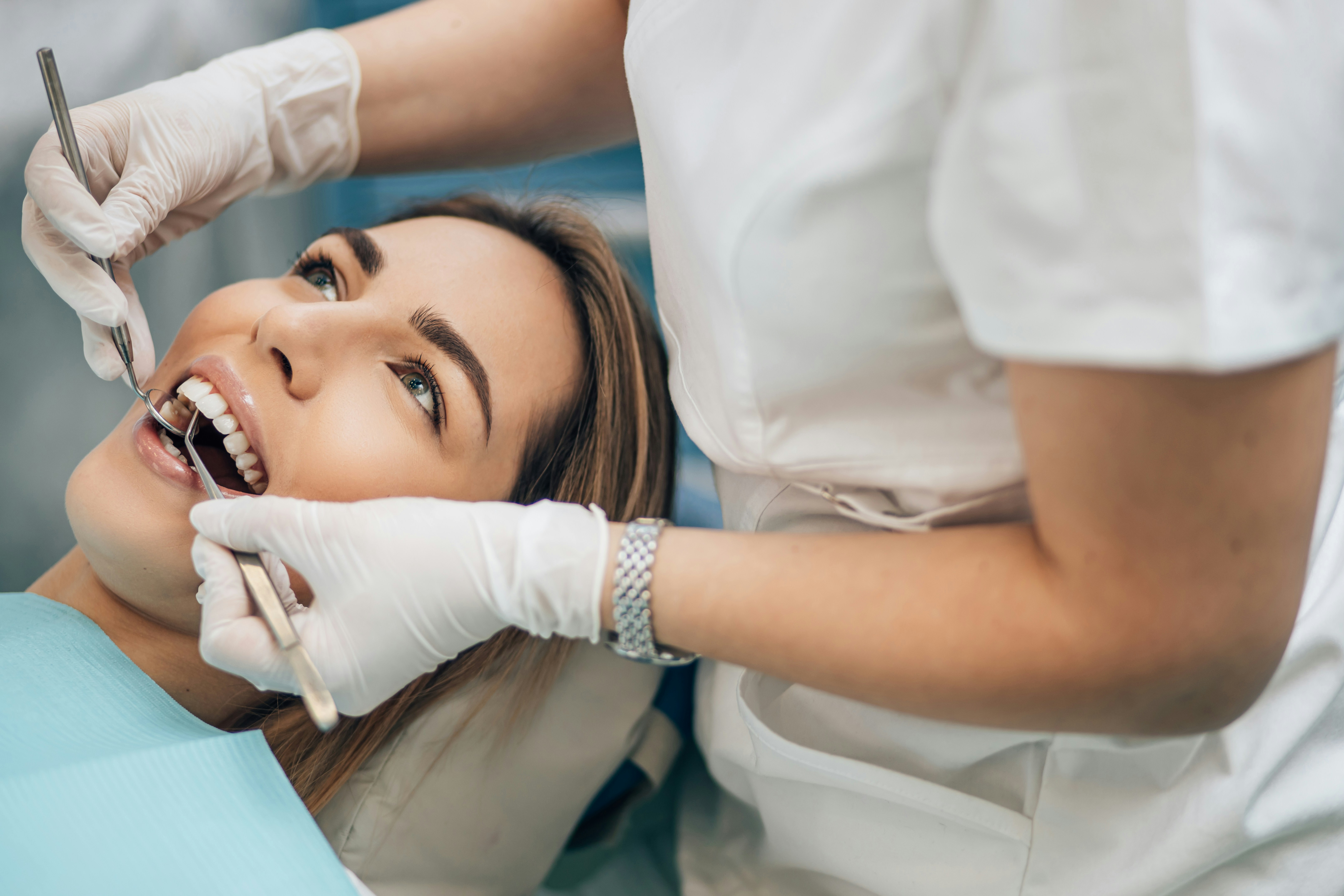
Keep in mind, the "best" choice depends entirely on your specific case complexity, lifestyle needs, and treatment goals. A thorough consultation with an orthodontist is essential to determine which option will achieve your desired results.
What is the best orthodontic treatment for teeth straightening?
The best orthodontic treatment varies significantly based on your individual case, but here are the most effective options:
Traditional Metal Braces:
- Standard brackets with colored elastics
- Self-ligating braces
- Mini brackets for a lower profile
Clear Aligner Systems:
- Invisalign clear aligners (most popular and researched)
- Other clear aligner brands
Ceramic/Clear Braces:
- Ceramic brackets that blend with teeth
- Tooth-colored wires for maximum discretion
Traditional braces remain the gold standard for complex cases because they provide continuous, precise force application and can achieve movements that aligners cannot. However, Invisalign has revolutionized orthodontics for mild to moderate cases by offering nearly invisible treatment with removable convenience.
What is the fastest way to decide between Invisalign and braces?
If you are weighing your options and cannot decide immediately, there are several factors to consider that will help you make the right choice for your situation.
Treatment Complexity Assessment
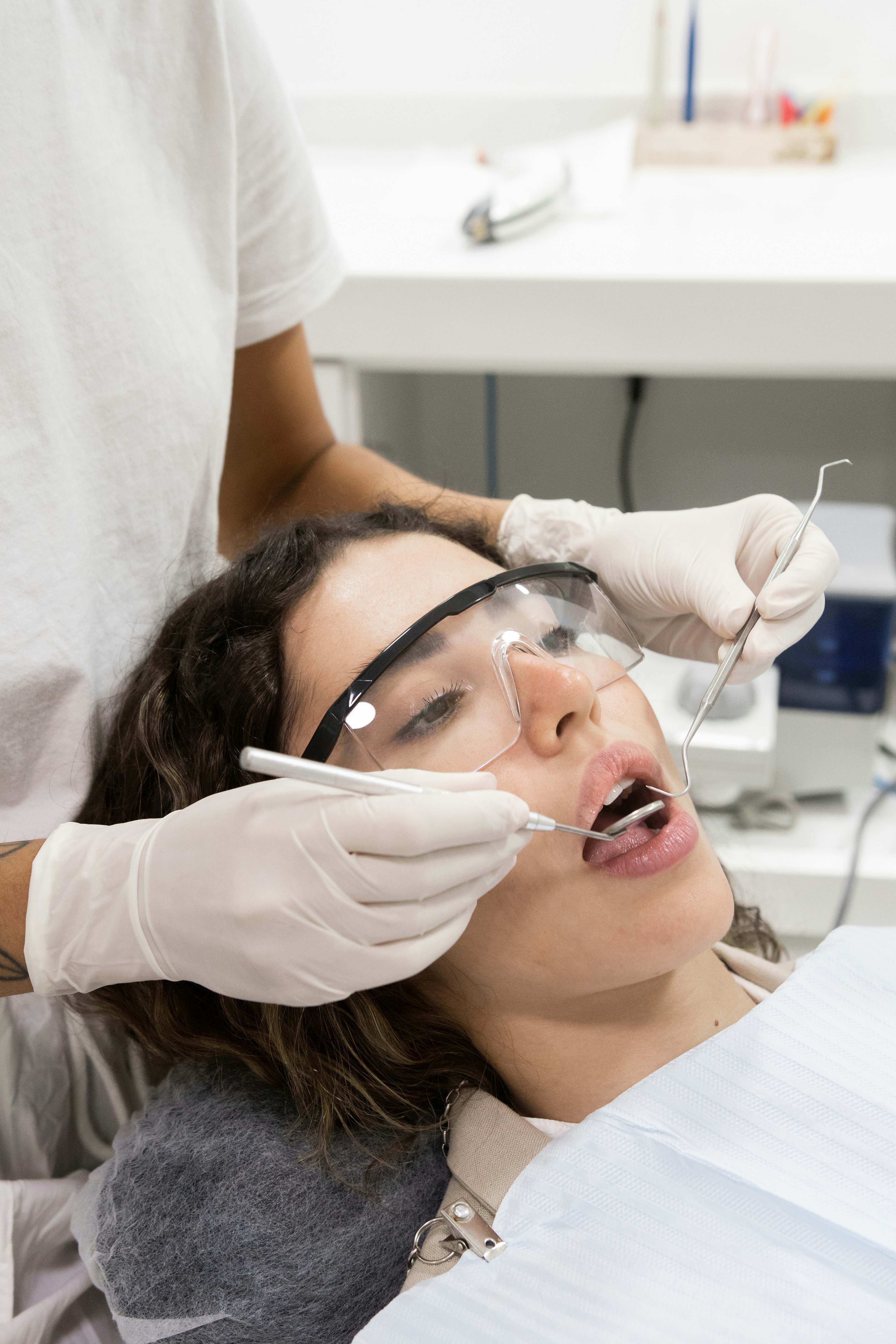
The complexity of your orthodontic case is the most important factor in choosing treatment. Invisalign works exceptionally well for spacing issues, mild crowding, and minor bite corrections. Traditional braces excel at handling severe crowding, significant bite problems, and complex tooth rotations.
Invisalign may not be suitable for cases requiring significant vertical tooth movement or severe bite corrections.
How to Assess Your Case Complexity:
- Mild cases: Minor crowding, small gaps, slight rotations
- Moderate cases: Noticeable crowding, multiple gaps, moderate bite issues
- Severe cases: Significant misalignment, major bite problems, impacted teeth
Warning: Only an orthodontic professional can accurately assess your case complexity and treatment needs.
Lifestyle Compatibility
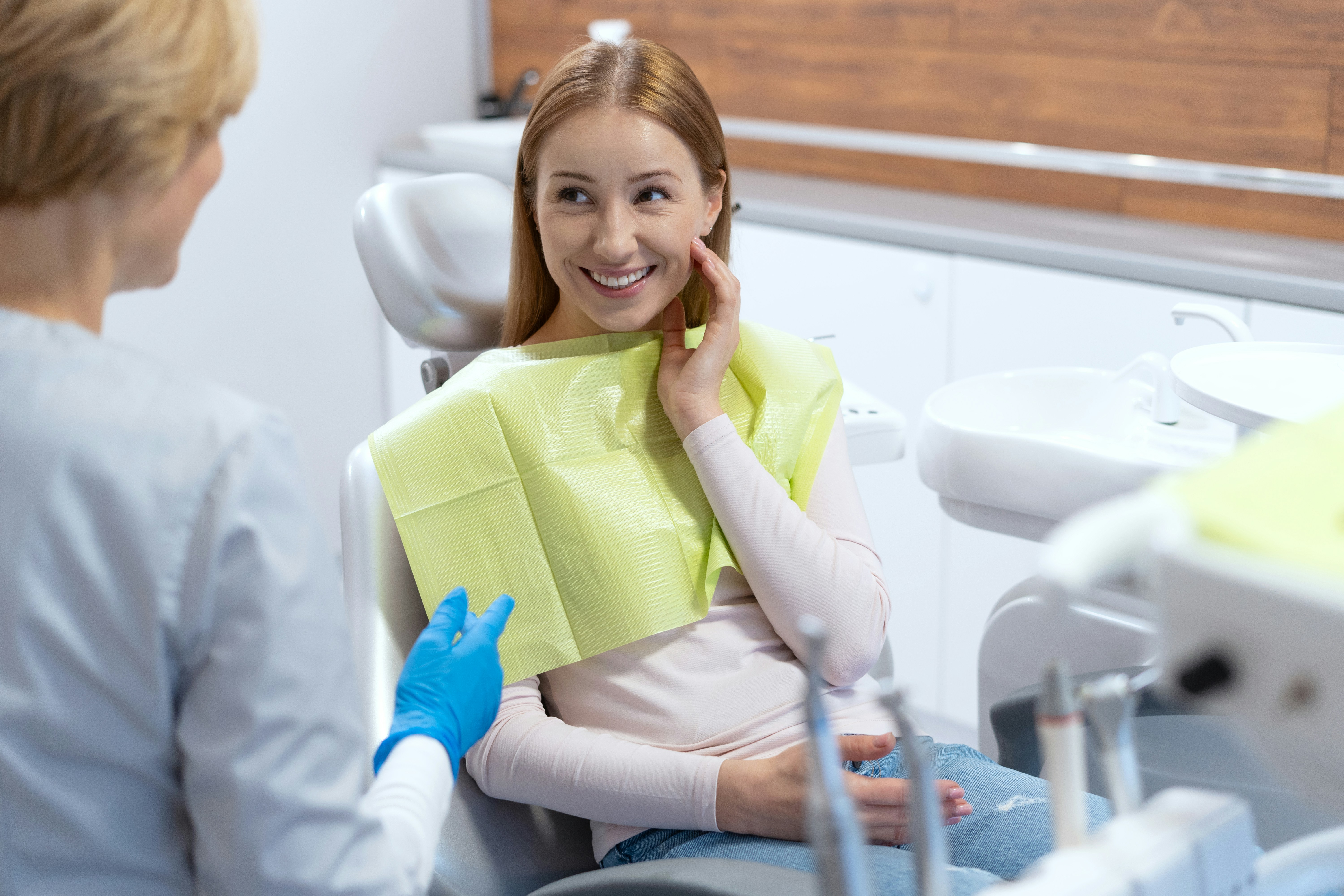
Your daily routine significantly impacts which treatment will be more successful. Invisalign requires discipline to wear aligners 20-22 hours daily and responsibility for not losing the removable trays. Braces are permanently attached, ensuring constant treatment progress but requiring dietary modifications.
How to Evaluate Your Lifestyle Fit:
- Consider your eating habits and food preferences
- Evaluate your daily schedule and routine consistency
- Assess your comfort level with visible orthodontic treatment
- Think about your oral hygiene habits and dedication
Warning: Poor compliance with Invisalign wear time can significantly extend treatment duration or compromise results.
Aesthetic Preferences
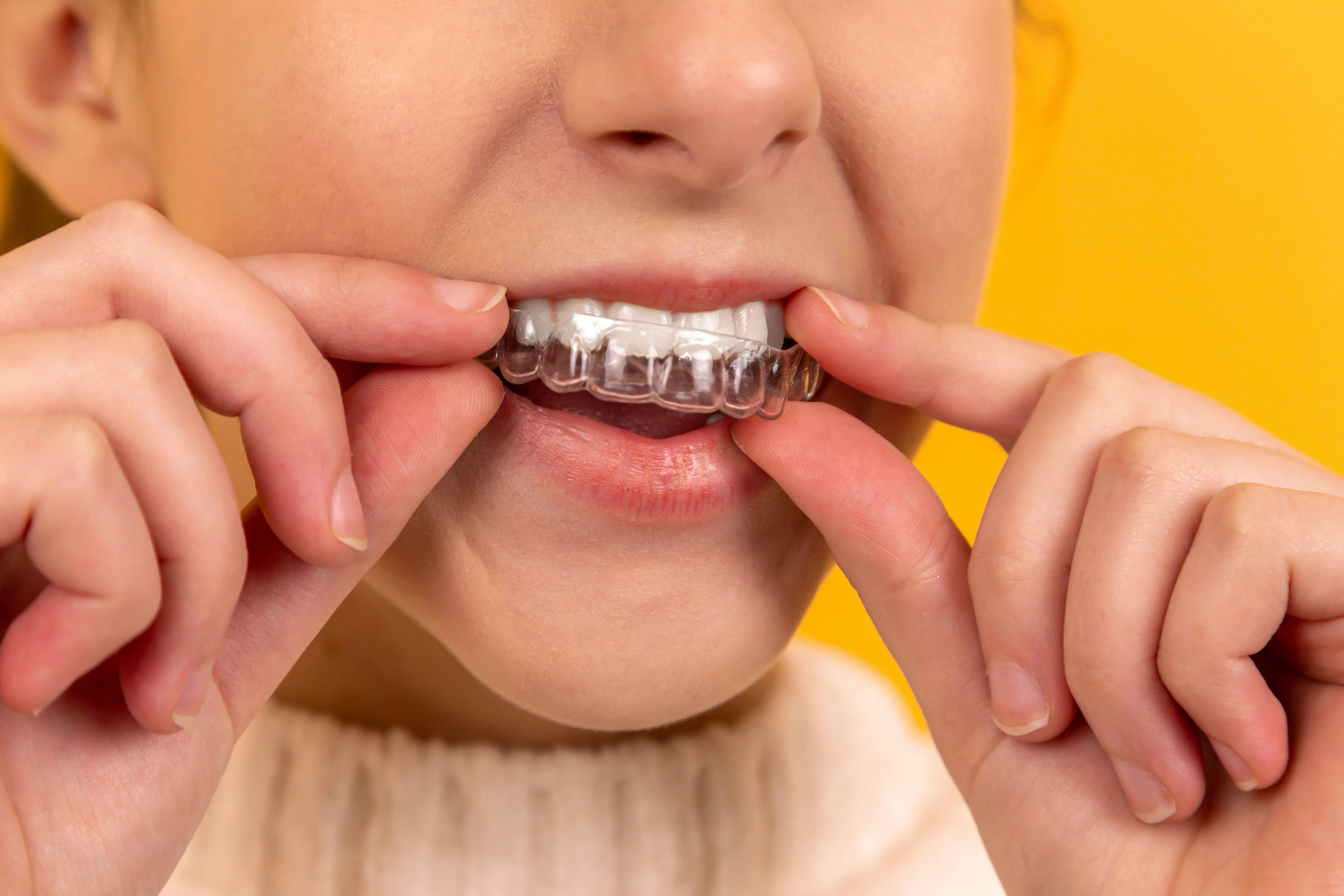
Appearance during treatment is often a primary concern, especially for adults. Invisalign offers nearly invisible treatment, while ceramic braces provide a compromise between effectiveness and aesthetics. Metal braces are most visible but also most effective for complex cases.
How to Choose Based on Aesthetics:
- Maximum discretion: Invisalign clear aligners
- Moderate discretion: Ceramic/clear braces with tooth-colored wires
- Effectiveness over appearance: Traditional metal braces
- Fun expression: Metal braces with colored elastics (popular with teens)
Warning: Prioritizing aesthetics over treatment effectiveness may lead to compromised results or longer treatment times.
Budget Considerations
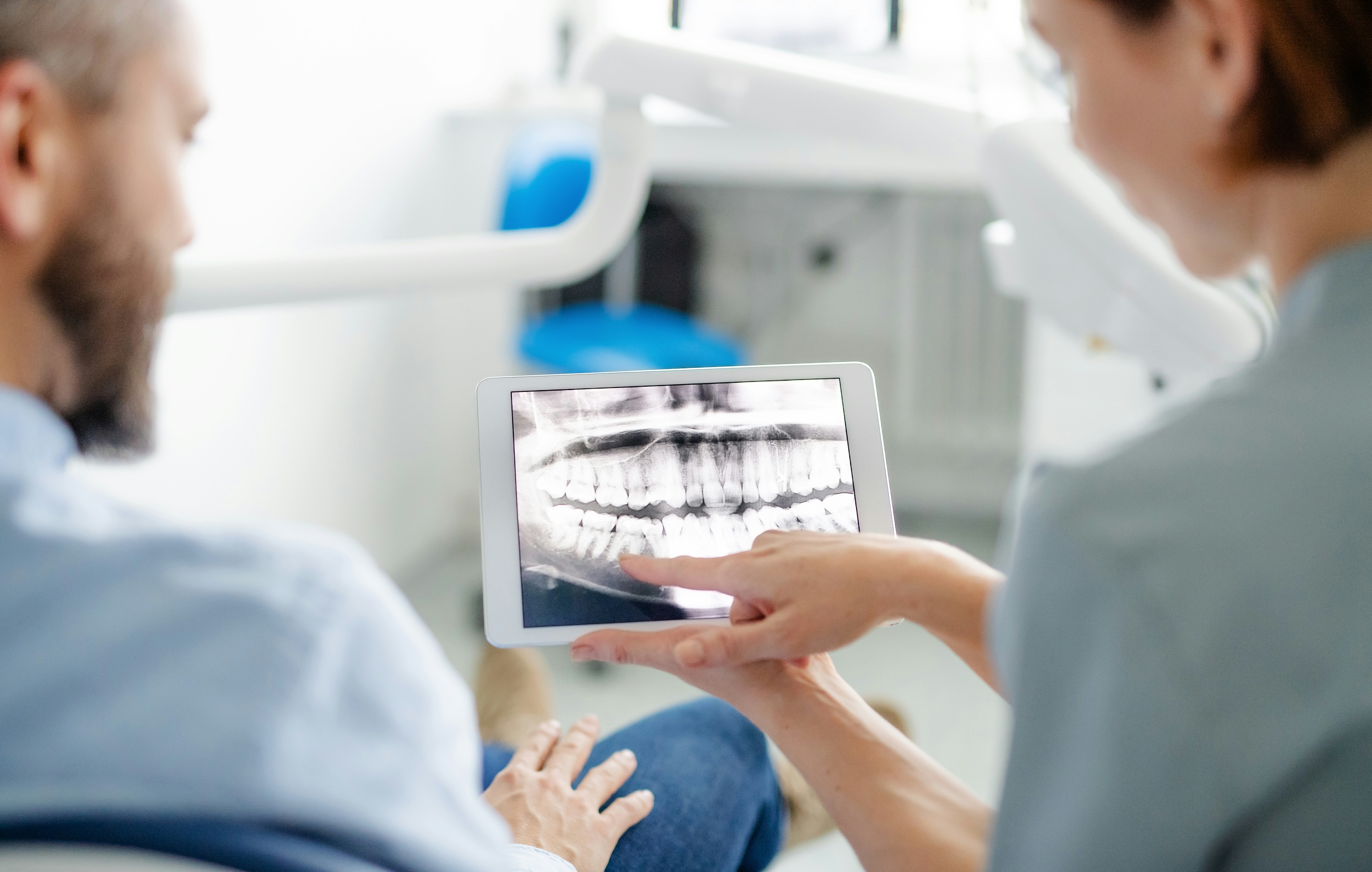
Treatment costs vary significantly between options and depend on case complexity and treatment duration. Understanding the financial commitment helps narrow your decision.
How to Budget for Orthodontic Treatment:
- Get multiple consultations for accurate cost estimates
- Check insurance coverage for orthodontic benefits
- Ask about payment plans and financing options
- Consider total treatment time when calculating cost-per-month
Warning: Choosing treatment based solely on cost may result in longer treatment times or suboptimal results if the method isn't suitable for your case.
Treatment Duration Timeline
Understanding realistic timelines helps set proper expectations and influences your choice between treatment options.
How to Plan Your Treatment Timeline:
- Invisalign: Typically 12-18 months for mild cases, 18-24 months for moderate cases
- Traditional braces: Usually 18-24 months for most cases, up to 36 months for complex cases
- Consider your schedule: Major life events, weddings, job interviews
- Factor in retention period: Both treatments require retainer wear afterward
Warning: Unrealistic timeline expectations can lead to disappointment and treatment dissatisfaction.
Additional factors to consider for your orthodontic decision:
- Age and jaw development status - Growing teens may benefit more from braces
- Previous orthodontic treatment history - Relapse cases may need different approaches
- Gum disease or dental health status - May affect treatment choice and timing
- Professional requirements - Some careers may favor more discreet options
- Sports participation - Contact sports may require special considerations with braces
What causes the need for orthodontic treatment?
The need for braces or Invisalign typically stems from genetic and environmental factors that affect tooth and jaw development. Understanding the root cause can help you make a more informed treatment decision.
The most common causes of orthodontic problems are:
- Genetics - Inherited tooth size, jaw size, and alignment patterns
- Early tooth loss - Baby teeth lost too early or late affecting permanent tooth eruption
- Thumb sucking or pacifier use - Extended habits affecting jaw and tooth development
- Mouth breathing - Can alter facial development and tooth positioning
- Injury or trauma - Accidents affecting tooth position or jaw development
- Poor dental care - Cavities and gum disease leading to tooth loss and shifting
Why Do I Have Crooked Teeth or Bite Problems?
Orthodontic issues develop from a combination of factors, some preventable and others beyond your control.
Common reasons for needing orthodontic treatment:
- Overcrowding due to insufficient jaw space for all teeth
- Gaps between teeth from missing teeth or size discrepancies
- Overbite where upper teeth significantly overlap lower teeth
- Underbite where lower teeth protrude beyond upper teeth
- Crossbite where some upper teeth sit inside lower teeth
- Open bite where front teeth don't touch when back teeth are together
- Midline misalignment where tooth centers don't match facial center
- Rotated or twisted individual teeth
- Impacted teeth that cannot fully emerge
- Jaw growth discrepancies affecting bite relationship
- Previous dental work affecting tooth alignment
- Wisdom teeth causing crowding (though this is debated)
What To Do When You Have Complex Orthodontic Needs?
Severe orthodontic cases often require traditional braces due to their superior ability to handle complex tooth movements and bite corrections. These cases may involve significant jaw discrepancies, severely rotated teeth, or the need for coordinated treatment with oral surgery.
Other factors that may indicate braces over Invisalign:
- Need for significant tooth extrusion or intrusion
- Severe rotations of canine or premolar teeth
- Cases requiring elastic wear for bite correction
- Young patients with mixed dentition (baby and adult teeth)
- If you have complex needs, it is important to seek consultation with an experienced orthodontist
How To Handle Orthodontic Treatment With Jaw Problems
Some patients require orthodontic treatment in conjunction with jaw surgery (orthognathic surgery) to correct severe bite problems or facial asymmetries. These complex cases almost always require traditional braces for precise tooth positioning before and after surgical correction.
In the meantime, there are a few short-term options to improve comfort:
- Orthodontic wax to protect soft tissues from brackets
- Over-the-counter pain relievers for adjustment discomfort
- Soft food diet during initial adjustment periods
- Saltwater rinses to promote healing and reduce inflammation
Prevention Tips for Orthodontic Problems
- Discourage prolonged thumb sucking or pacifier use beyond age 3
- Address mouth breathing issues early with medical evaluation
- Maintain excellent oral hygiene to prevent tooth loss
- Use protective mouthguards during sports activities
- Schedule early orthodontic evaluations by age 7 as recommended by the American Association of Orthodontists
How To Maintain Your Lifestyle During Orthodontic Treatment
Both Invisalign and braces will impact your daily routine, but in different ways. Understanding these lifestyle changes helps you choose the treatment that fits better with your current situation.
Lifestyle adaptations may include:
- Modified eating habits (avoiding hard, sticky foods with braces)
- Enhanced oral hygiene routines (extra cleaning time and tools)
- Regular orthodontic appointments for adjustments
- Temporary speech changes during initial adjustment period
- Carrying aligner cases and cleaning supplies (Invisalign patients)
- Social comfort level with visible orthodontic appliances
Why Is Orthodontic Discomfort Worse After Adjustments?
Both braces and Invisalign cause discomfort when teeth are actively moving. With braces, discomfort typically peaks 24-48 hours after adjustments when new forces are applied. Invisalign patients experience similar discomfort when switching to new aligners, usually every 1-2 weeks.
This discomfort occurs because orthodontic forces create controlled inflammation in the periodontal ligament surrounding tooth roots, allowing teeth to move through the bone.
Why Does Treatment Progress Come and Go?
Orthodontic treatment naturally progresses in phases, with some periods showing dramatic changes and others appearing stagnant. This variation occurs because different types of tooth movement happen at different rates, and some teeth respond faster than others to orthodontic forces.
Factors affecting treatment progress include patient compliance, bone density, age, and the complexity of required movements.
When To See a Dentist for Orthodontic Consultation
The ideal time to seek orthodontic evaluation is by age 7, but adults can pursue treatment at any age. Early evaluation allows orthodontists to identify problems and determine optimal timing for intervention.
Contact a dentist if you experience the following symptoms:
- Crowded, crooked, or widely spaced teeth
- Difficulty chewing or biting food properly
- Early or late loss of baby teeth
- Jaw pain, clicking, or shifting
- Biting the cheek or roof of the mouth frequently
- Teeth that don't come together properly
- Facial asymmetry or imbalanced appearance
- Self-consciousness about smile appearance
Can I Prevent Orthodontic Problems?
The best way to prevent orthodontic problems is to promote proper oral development during childhood and maintain excellent dental health throughout life.
Prevention strategies include:
- Schedule early orthodontic screening by age 7 to identify problems when treatment may be simpler
- Maintain excellent oral hygiene to prevent tooth loss that can lead to shifting
- Discourage harmful oral habits like thumb sucking, tongue thrusting, or lip biting beyond appropriate ages
- Address breathing problems that may affect facial and dental development
- Use protective mouthguards during sports to prevent dental injuries
- Seek prompt treatment for dental problems to prevent tooth loss
- Schedule regular checkups at Carmel Mountain Dentist to monitor development and catch problems early
Call (858) 487-4683 to schedule an orthodontic consultation with Dr. Olaes at Carmel Mountain Dentist. We serve patients throughout Carmel Mountain Ranch, Rancho Bernardo, 4S Ranch, Poway, and the greater San Diego area.