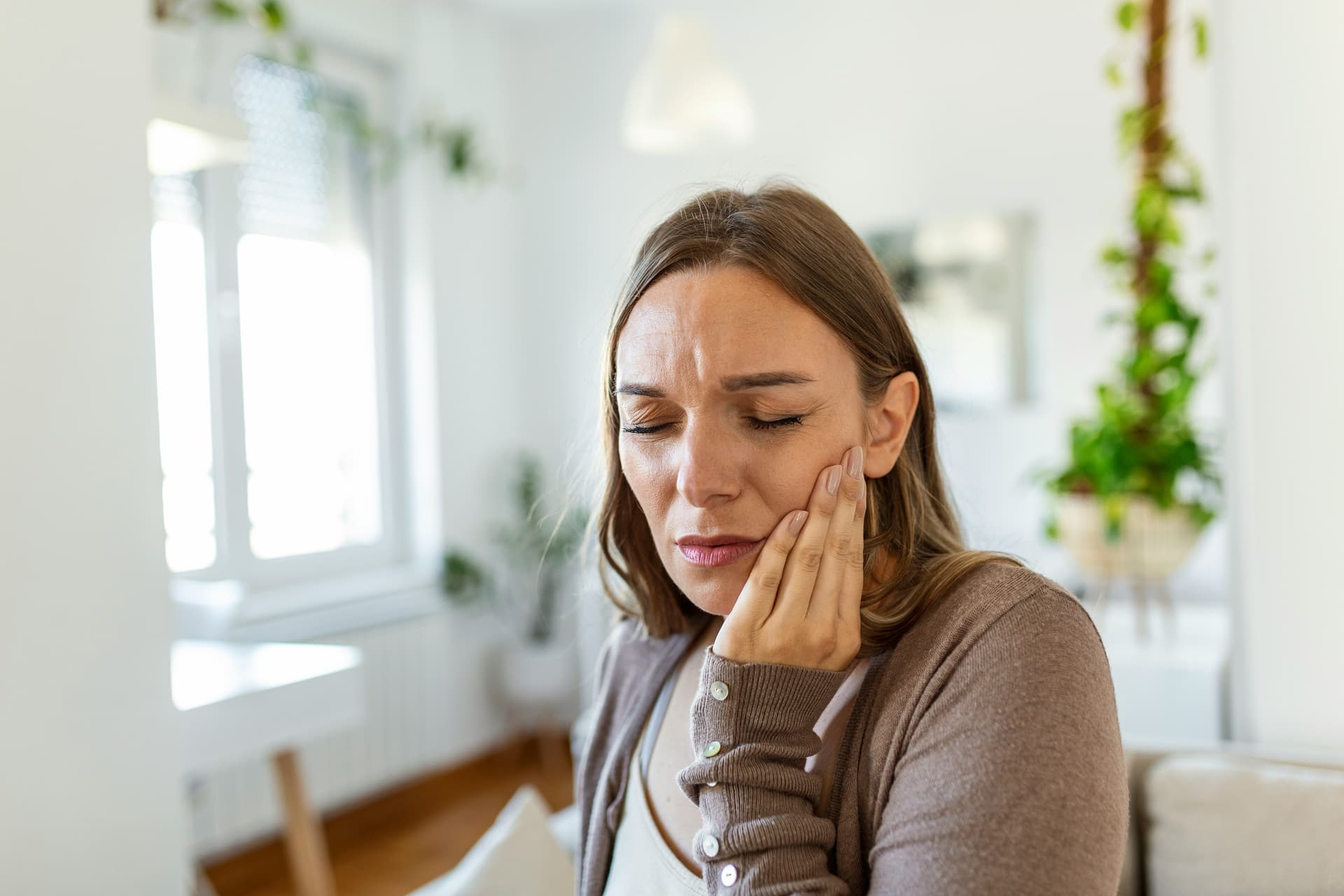
Holiday dental pain is frustrating and can range from minor sensitivity to severe emergencies that disrupt your festive celebrations. Below, read on to learn about holiday dental issues and how to best take care of them during the season when most dental offices are closed.
What can I do for severe holiday dental pain and how to stop it?
The fastest and most effective solution for severe holiday dental pain is taking over-the-counter pain medication (ibuprofen 600-800mg every 6-8 hours) combined with a cold compress applied to the outside of your cheek for 15-20 minutes at a time. This combination reduces both pain and inflammation quickly.
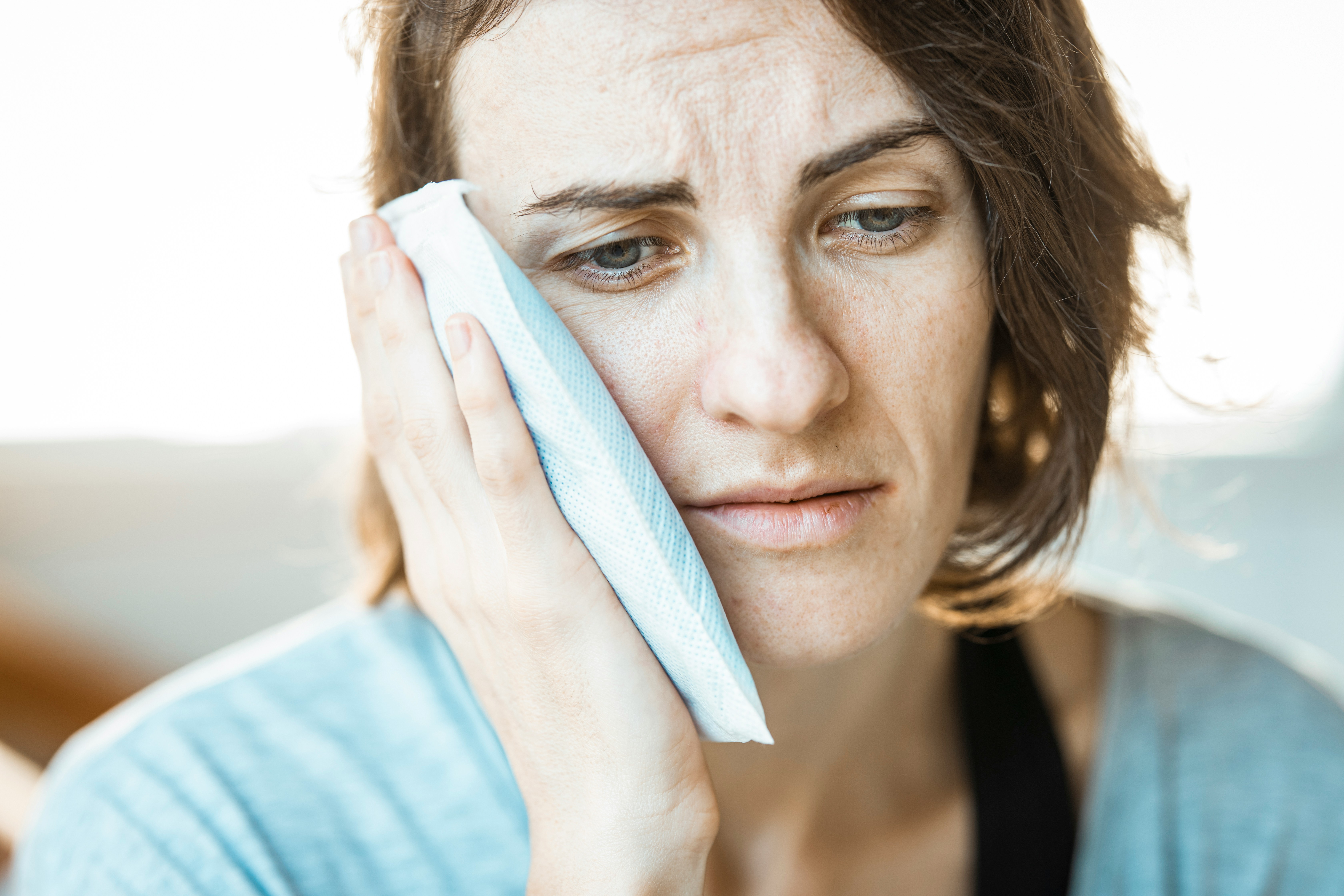
Keep in mind, severe dental pain that persists for more than 24 hours, is accompanied by fever, or causes facial swelling requires immediate emergency dental care, even during holidays.
What is the best pain relief method for holiday dental emergencies?
The best immediate pain relief combines anti-inflammatory medication with topical numbing agents. Ibuprofen is superior to acetaminophen for dental pain because it addresses the underlying inflammation that causes most tooth pain.
Most effective options include: • Ibuprofen (Advil, Motrin) 600-800mg every 6-8 hours • Topical benzocaine gel (Orajel, Anbesol) applied directly to the tooth • Cold compress therapy for swelling • Salt water rinse to reduce bacteria • Clove oil for natural numbing effects
What is the fastest way to relieve holiday dental pain at home?
If you are celebrating holidays away from home or cannot reach your regular dentist, there are several at-home remedies you can try to manage dental pain until professional help is available.
Salt Water Rinse
A warm salt water rinse is one of the most effective immediate treatments for dental pain. Salt acts as a natural antiseptic, reducing bacteria and inflammation in the mouth while promoting healing of irritated tissues.
How to Make a Salt Water Rinse:
- Mix 1/2 teaspoon of table salt in 8 ounces of warm water
- Stir until salt completely dissolves
- Swish gently for 30 seconds, focusing on the painful area Warning: Don't swallow the solution, and avoid hot water which can worsen inflammation.
Cold Compress Therapy
Cold therapy numbs pain and reduces swelling by constricting blood vessels. This is particularly effective for pain caused by trauma, infections, or swelling from dental procedures done before the holidays.
How to Use Cold Compress:
- Wrap ice cubes in a thin towel or use a frozen vegetable bag
- Apply to the outside of your cheek for 15-20 minutes
- Remove for 10 minutes, then reapply as needed Warning: Never apply ice directly to skin or inside your mouth, as this can cause tissue damage.
Over-the-Counter Pain Medication
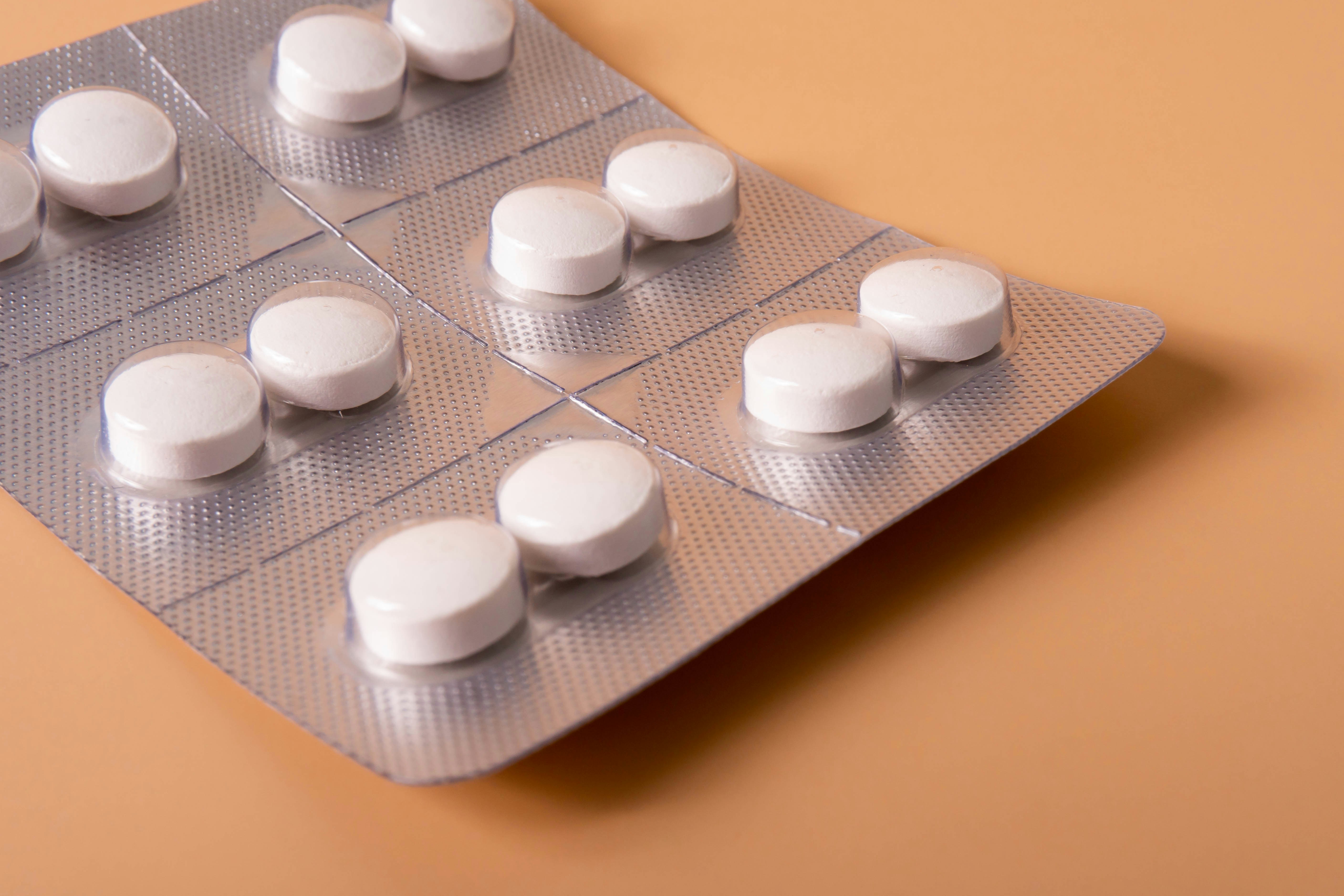
Anti-inflammatory medications are more effective than simple pain relievers for dental pain because they address the root cause of discomfort - inflammation around the tooth and supporting tissues.
Always follow package directions and consult with a pharmacist if you're taking other medications or have medical conditions.
How to Use Pain Medication Effectively:
- Take ibuprofen 600-800mg every 6-8 hours (maximum 3200mg per day)
- Take with food to prevent stomach irritation
- Can alternate with acetaminophen 500-1000mg every 4-6 hours for severe pain Warning: Don't exceed recommended dosages and avoid if you have kidney problems or stomach ulcers.
Clove Oil Treatment
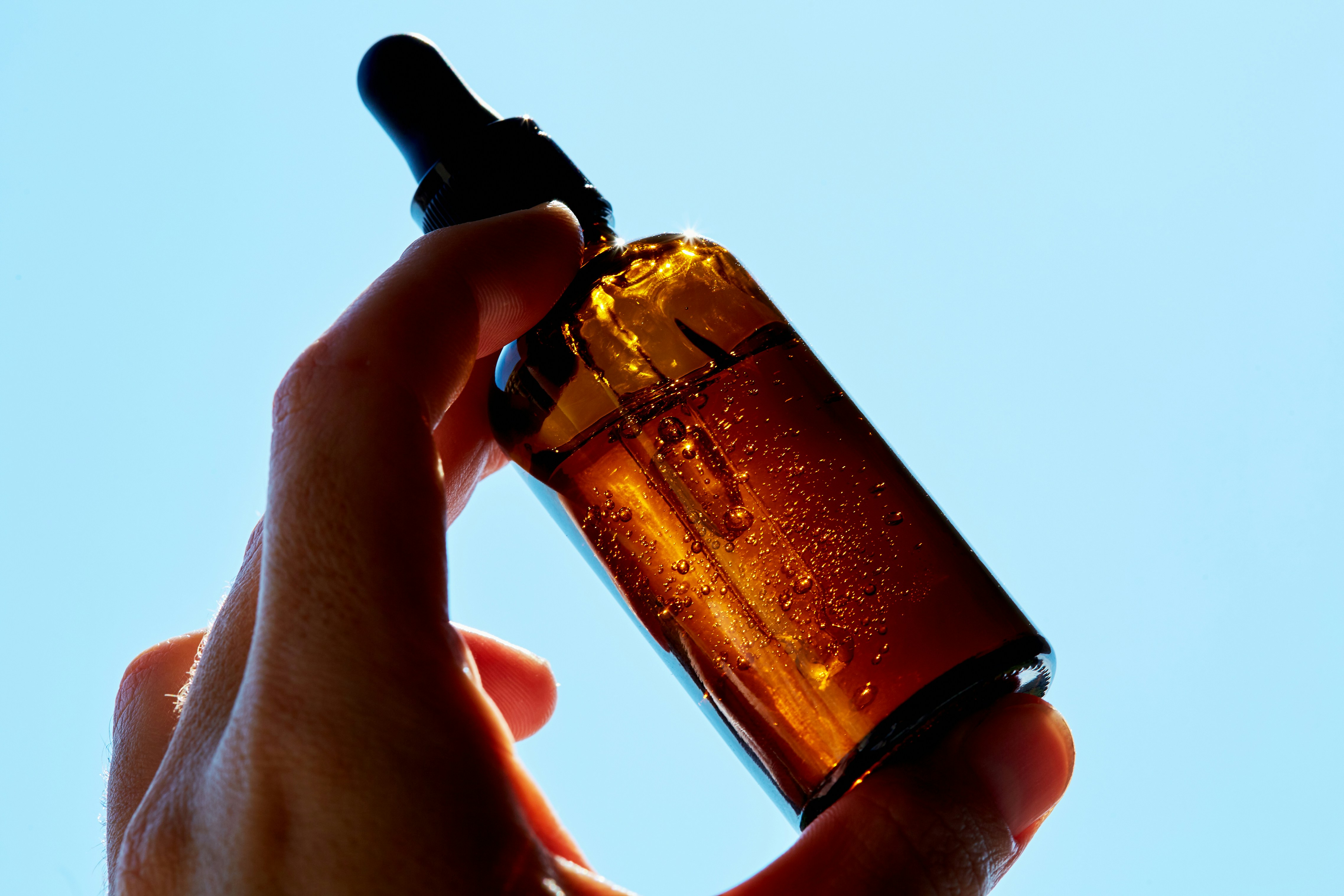
Clove oil contains eugenol, a natural anesthetic and antiseptic that has been used for dental pain for centuries. It's particularly effective for exposed nerves or cavities causing sharp pain.
How to Apply Clove Oil:
- Dilute 2-3 drops of clove oil with 1 teaspoon of olive oil
- Soak a cotton ball with the mixture
- Apply directly to the painful tooth for 10-15 minutes Warning: Pure clove oil can burn tissues, so always dilute before use.
Hydrogen Peroxide Rinse
A diluted hydrogen peroxide rinse can help kill bacteria causing infection and reduce inflammation. This is especially helpful if you notice bad taste or smell coming from a painful area.
How to Make Hydrogen Peroxide Rinse:
- Mix equal parts 3% hydrogen peroxide and warm water
- Swish gently for 30 seconds
- Spit out completely and rinse with plain water Warning: Never swallow hydrogen peroxide solution and don't use more than twice daily.
Elevation and Rest
Keeping your head elevated while sleeping and resting can reduce blood flow to the painful area, minimizing throbbing pain that often worsens at night during holiday gatherings.
How to Use Elevation:
- Sleep with an extra pillow to keep your head raised
- Avoid lying flat when experiencing severe pain
- Take breaks from holiday activities to rest Warning: If pain prevents sleep for multiple nights, seek emergency dental care.
Tea Bag Compress
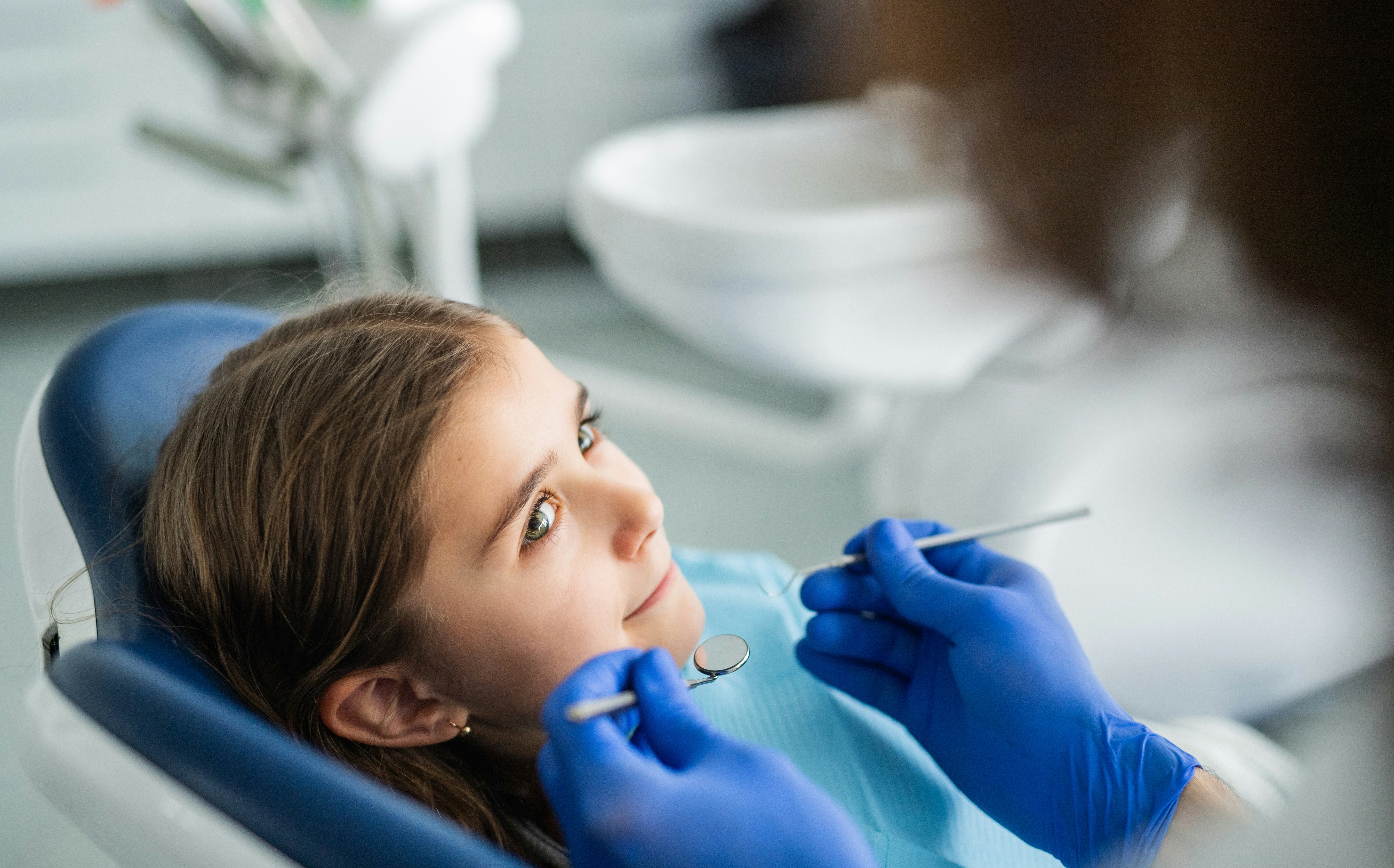
Peppermint tea bags contain natural numbing properties, while black tea has tannins that can help reduce swelling and pain. This gentle remedy is safe for frequent use during extended holiday periods.
How to Use Tea Bag Compress:
- Steep a tea bag in hot water for 3-5 minutes
- Remove and let cool to comfortable temperature
- Place directly on the painful tooth for 10-15 minutes Warning: Ensure the tea bag isn't too hot to avoid burns.
Additional remedies for holiday dental pain:
• Garlic paste applied to the tooth (natural antibiotic properties) • Vanilla extract dabbed on painful area (alcohol content numbs pain) • Peppermint essential oil mixed with carrier oil • Warm compress for muscle-related jaw pain • Sugar-free gum to distract from pain and increase saliva flow
What causes holiday dental pain?
Holiday dental pain often results from a combination of changes in routine, dietary indulgences, and delayed dental care. The stress of holiday preparations can also worsen existing dental problems.
The most common causes of holiday dental pain are:
• Increased sugar consumption from holiday treats and beverages • Teeth grinding (bruxism) from holiday stress • Temperature sensitivity from hot and cold holiday foods • Existing cavities or dental work becoming symptomatic • Dehydration from alcohol consumption affecting saliva production • Delayed regular dental maintenance due to busy schedules
Why Do I Have Holiday Dental Pain?
Many factors unique to the holiday season can trigger or worsen dental pain, ranging from dietary changes to increased stress levels.
Common reasons for holiday dental issues include: • Eating hard candies, nuts, or sticky treats that damage teeth • Drinking more acidic beverages like wine, cider, or soda • Skipping regular oral hygiene routines during travel • Using teeth as tools to open packages or crack nuts • Grinding teeth due to holiday stress or family tensions • Changes in sleep patterns affecting pain perception • Cold weather causing tooth sensitivity • Postponing dental appointments until after the holidays • Eating at irregular times, increasing acid exposure • Consuming more caffeine, which can increase tooth sensitivity • Breathing through mouth more in cold weather, drying oral tissues • Existing dental problems becoming worse under holiday stress
What To Do When You Have Dental Pain During Holiday Travel?
Holiday travel can complicate dental emergencies, especially when you're far from your regular dentist. Pack a dental emergency kit and know how to locate emergency dental care in your destination.
Other factors that may cause travel-related dental pain: • Air pressure changes during flights affecting sinuses and teeth • Different water mineral content affecting tooth sensitivity • Stress from travel schedules and disrupted routines • Limited access to familiar oral care products • Changes in diet and eating schedules
If pain persists during travel, it is important to locate emergency dental services in your destination area or contact your home dentist for guidance on managing symptoms until you return.
How To Handle Dental Pain From Holiday Stress
Holiday stress can manifest as teeth grinding, jaw clenching, and increased sensitivity to existing dental problems. Stress hormones can also reduce immune function, making infections more likely.
In the meantime, there are a few short-term fixes to manage stress-related dental pain: • Practice jaw relaxation exercises and avoid chewing gum • Use a warm compress on jaw muscles before bed • Take magnesium supplements to reduce muscle tension • Limit caffeine which can increase jaw clenching • Practice stress-reduction techniques like deep breathing
Prevention Tips for Stress-Related Dental Pain
• Wear a night guard if you grind your teeth • Schedule dental cleanings before busy holiday seasons • Maintain regular sleep schedules even during celebrations • Limit alcohol consumption which can worsen teeth grinding • Practice mindfulness to become aware of jaw clenching habits
If you experience persistent jaw pain, headaches, or worn teeth, contact Carmel Mountain Dentist immediately as you may need professional treatment for TMJ disorder or bruxism.
How To Enjoy Holiday Meals With Dental Pain
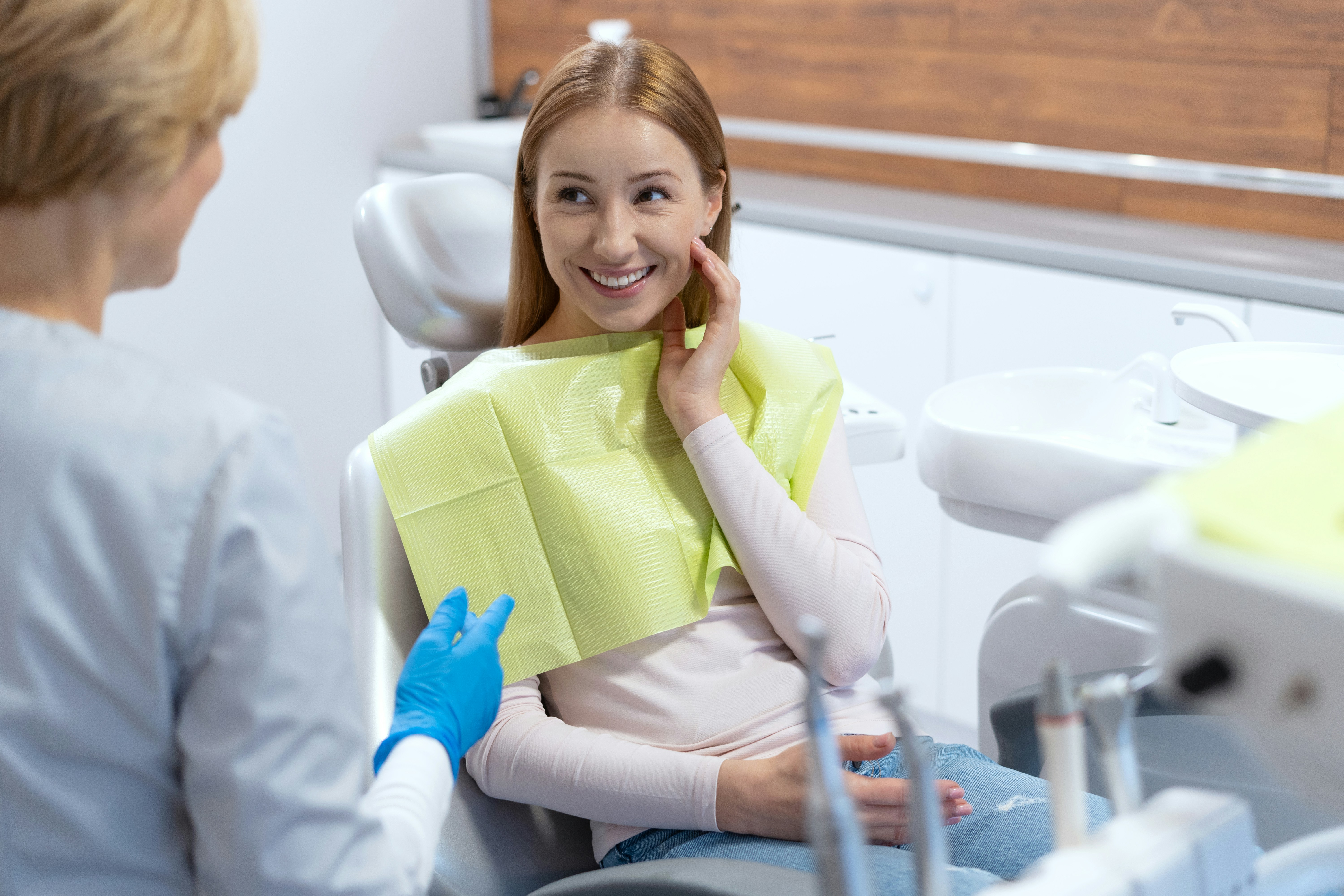
Dental pain doesn't have to ruin holiday celebrations. With careful food choices and preparation, you can still participate in holiday meals while protecting your teeth.
Below are some steps that may help you navigate holiday eating with dental pain: • Choose soft foods like mashed potatoes, casseroles, and cooked vegetables • Cut harder foods into small pieces to avoid biting with painful teeth • Avoid extremely hot or cold foods that trigger sensitivity • Chew on the opposite side of your mouth from the painful area • Rinse with warm water between courses to remove food particles • Skip sticky, hard, or crunchy foods like caramel, nuts, and ice • Use a straw for acidic or sugary beverages • Take pain medication 30 minutes before meals if needed
Why Is Dental Pain Worse At Night During Holidays?
Holiday dental pain often intensifies at night due to increased blood flow when lying down, combined with fewer distractions and the cumulative effects of a day filled with sugary treats and irregular oral care routines. The quiet environment also makes you more aware of pain sensations.
Why Does Holiday Dental Pain Come and Go?
Holiday dental pain can fluctuate based on activities, food choices, and stress levels throughout your celebrations. Pain may worsen during meals, improve with medication, then return as effects wear off. Temperature changes from going between heated indoor spaces and cold outdoor weather can also cause pain to vary throughout the day.
When To Seek Professional Care for Holiday Dental Pain
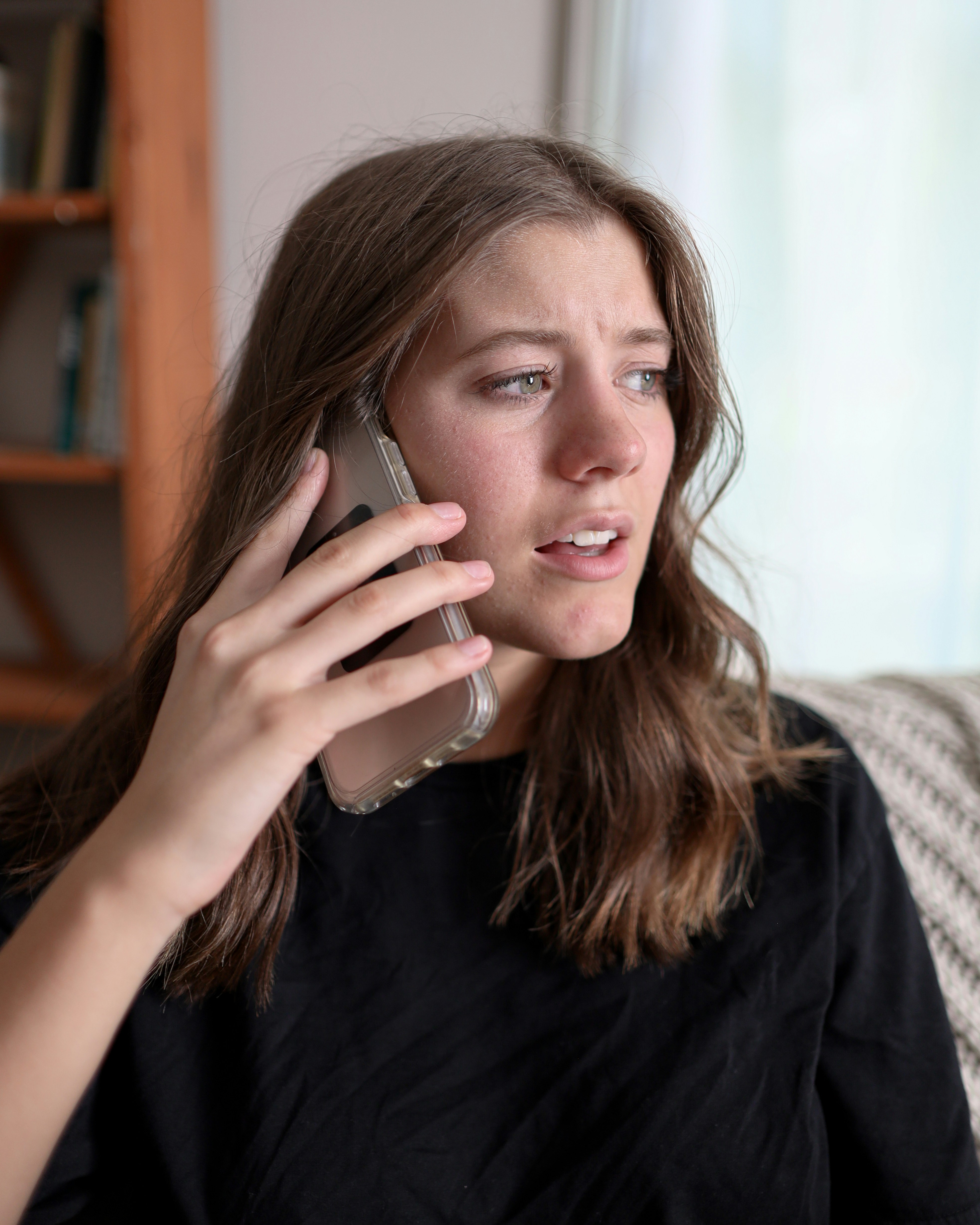
While minor holiday dental discomfort can often be managed at home, certain symptoms require immediate professional attention even during holiday periods when regular offices may be closed.
Call 911 or Go to the Emergency Room If You Experience:
- Difficulty breathing or swallowing
- Severe swelling spreading to your throat, eye, or neck
- High fever with facial swelling
- Uncontrolled bleeding from the mouth
- Trauma to the face or jaw
Contact Your Carmel Mountain Dentist, Dr. Irene S. Olaes, DMD If You Experience:
- Severe pain that doesn't respond to over-the-counter medication
- Moderate swelling in the cheek or gum area
- Pus discharge from around a tooth or gums
- Loose or knocked-out teeth from holiday accidents
- Signs of infection like swollen lymph nodes
If you're unsure whether your symptoms require emergency room care or dental care, err on the side of caution—call your physician or visit an urgent care facility for evaluation.
Can I Prevent Holiday Dental Pain?
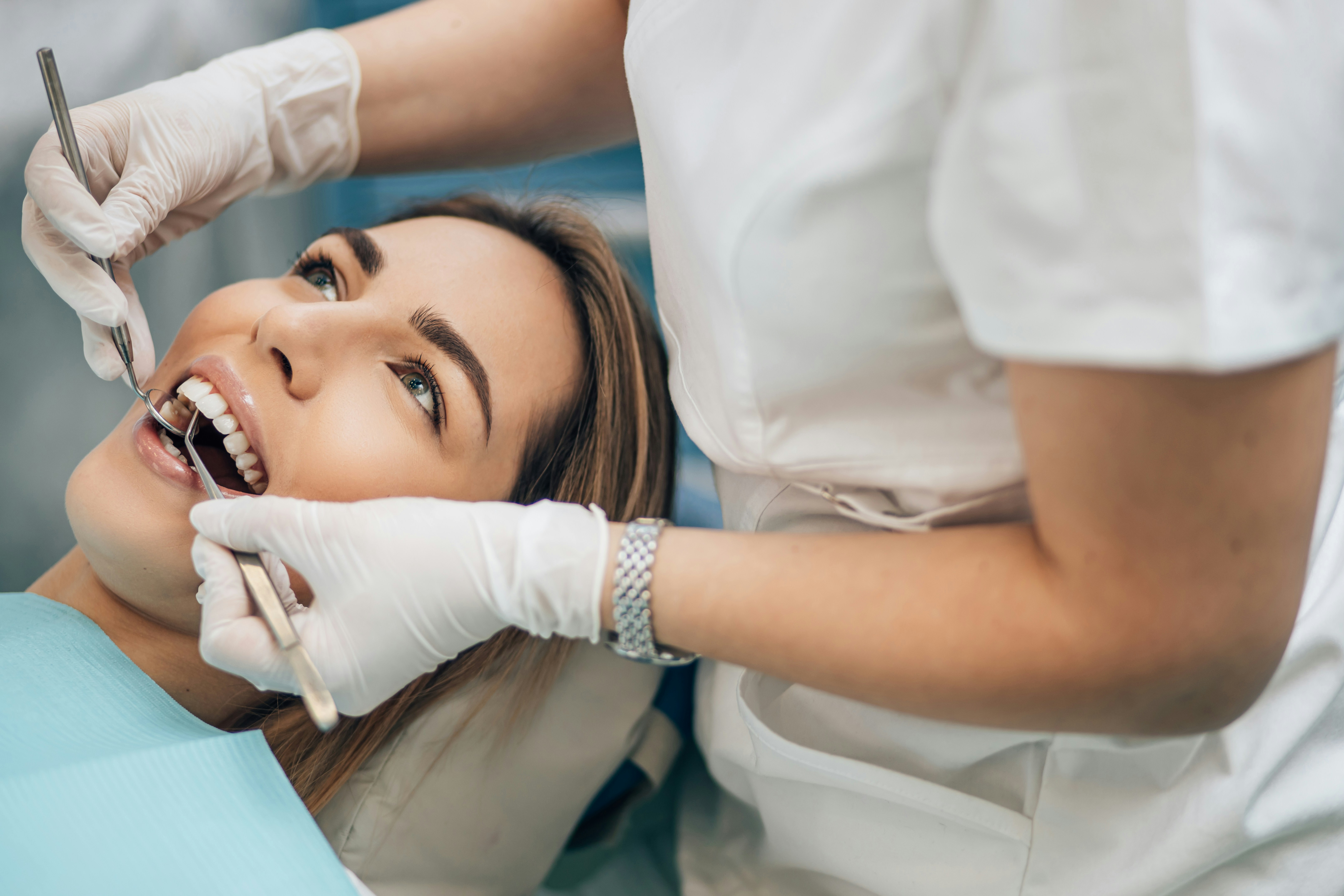
The best way to prevent holiday dental pain is to maintain consistent oral hygiene routines and make mindful choices about holiday treats and beverages.
Follow these prevention strategies:
- Schedule a pre-holiday dental cleaning and checkup to address any issues before they become emergencies during celebrations
- Maintain your daily oral hygiene routine even during busy holiday schedules - brush twice daily and floss before bed
- Limit sugary and acidic holiday treats by enjoying them during meals rather than snacking throughout the day
- Stay hydrated with water to maintain saliva production and rinse away food particles and bacteria
- Avoid using teeth as tools to open packages, crack nuts, or remove bottle caps - use proper tools instead
- Manage holiday stress through exercise, adequate sleep, and relaxation techniques to prevent teeth grinding
- Visit Carmel Mountain Dentist for regular preventive care to catch problems early and maintain optimal oral health year-round
Call (858) 487-4683 to schedule an appointment with Dr. Olaes at Carmel Mountain Dentist. We serve patients throughout Carmel Mountain Ranch, Rancho Bernardo, 4S Ranch, Poway, and the greater San Diego area.