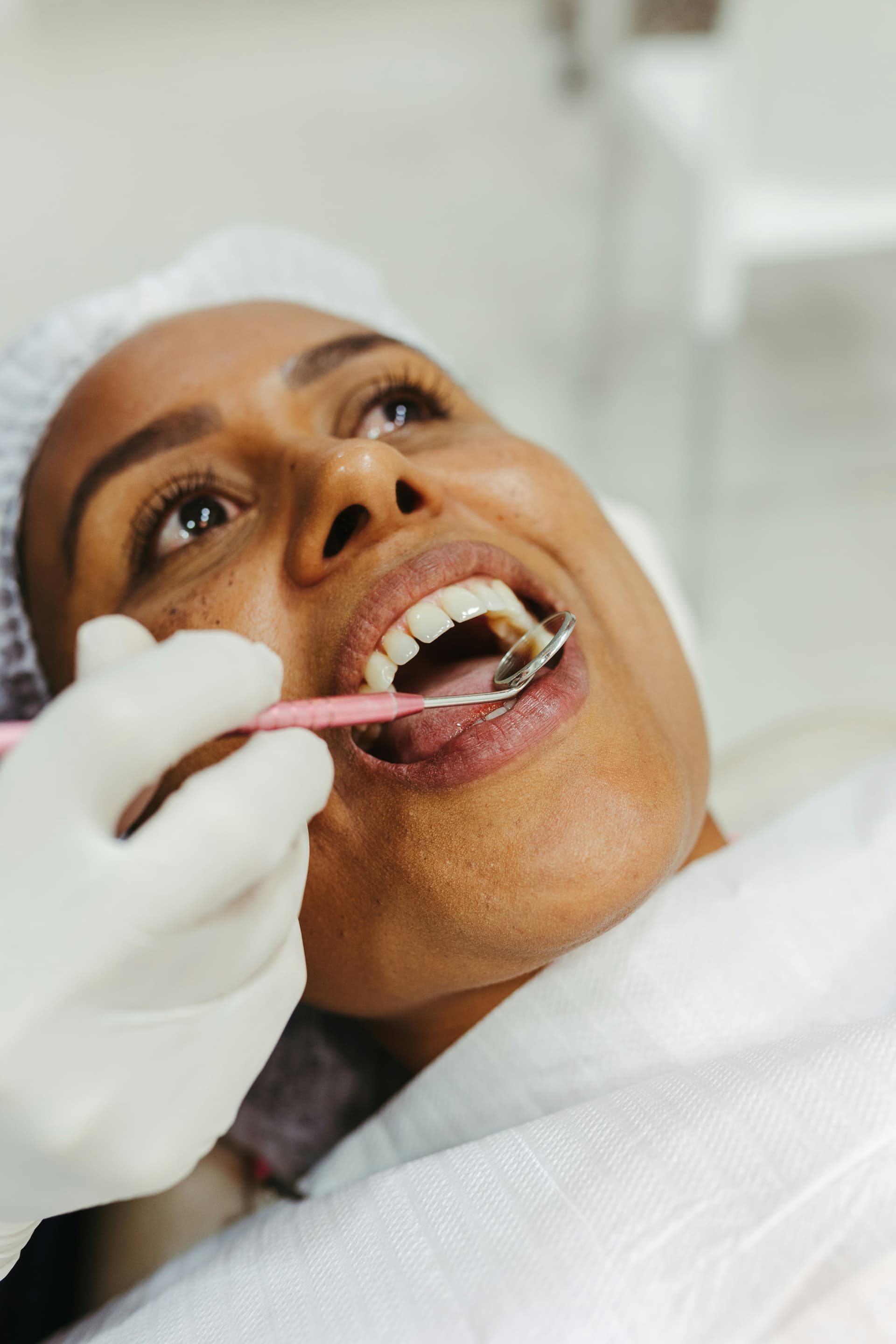
Nearly half of American adults over 30 have some form of gum disease. Yet many don't know they have it because early stages are often painless.
Your Carmel Mountain Dentist, Dr. Irene S. Olaes, DMD emphasizes that gum disease is both preventable and treatable—but early detection is crucial.
What Is Gum Disease?

Gum disease (periodontal disease) is an infection of the tissues that hold your teeth in place. It's caused by bacteria in plaque that builds up on teeth when oral hygiene is inadequate.
The Two Stages
Gingivitis (Early Stage)
- Inflammation of the gums
- Reversible with proper care
- No permanent damage yet
Periodontitis (Advanced Stage)
- Infection spreads below the gum line
- Bone and tissue destruction
- Can lead to tooth loss
- Requires professional intervention
Warning Signs You Shouldn't Ignore
Early Signs (Gingivitis)
- Gums that bleed when brushing or flossing
- Red, swollen, or tender gums
- Persistent bad breath
- Gums that look puffy or shiny
Advanced Signs (Periodontitis)
- Gums pulling away from teeth
- Teeth that look longer (gum recession)
- Loose or shifting teeth
- Changes in your bite
- Pus between teeth and gums
- Pain when chewing
Important: Healthy gums should never bleed. If yours do, it's time to see the dentist.
Risk Factors for Gum Disease
While poor oral hygiene is the primary cause, other factors increase your risk:
- Smoking or tobacco use — The single biggest risk factor
- Diabetes — High blood sugar promotes bacterial growth
- Genetics — Some people are more susceptible
- Hormonal changes — Pregnancy, menopause
- Medications — Some reduce saliva flow
- Stress — Weakens immune response
- Poor nutrition — Especially vitamin C deficiency
- Clenching or grinding teeth — Accelerates tissue breakdown
The Link Between Gum Disease and Overall Health
Research shows connections between periodontal disease and:
- Heart disease — Bacteria can enter bloodstream
- Diabetes — Gum disease makes blood sugar harder to control
- Respiratory infections — Bacteria can be inhaled into lungs
- Pregnancy complications — Linked to premature birth and low birth weight
- Alzheimer's disease — Emerging research shows potential connection
Taking care of your gums isn't just about your mouth—it's about your whole body.
Prevention: Your Best Defense
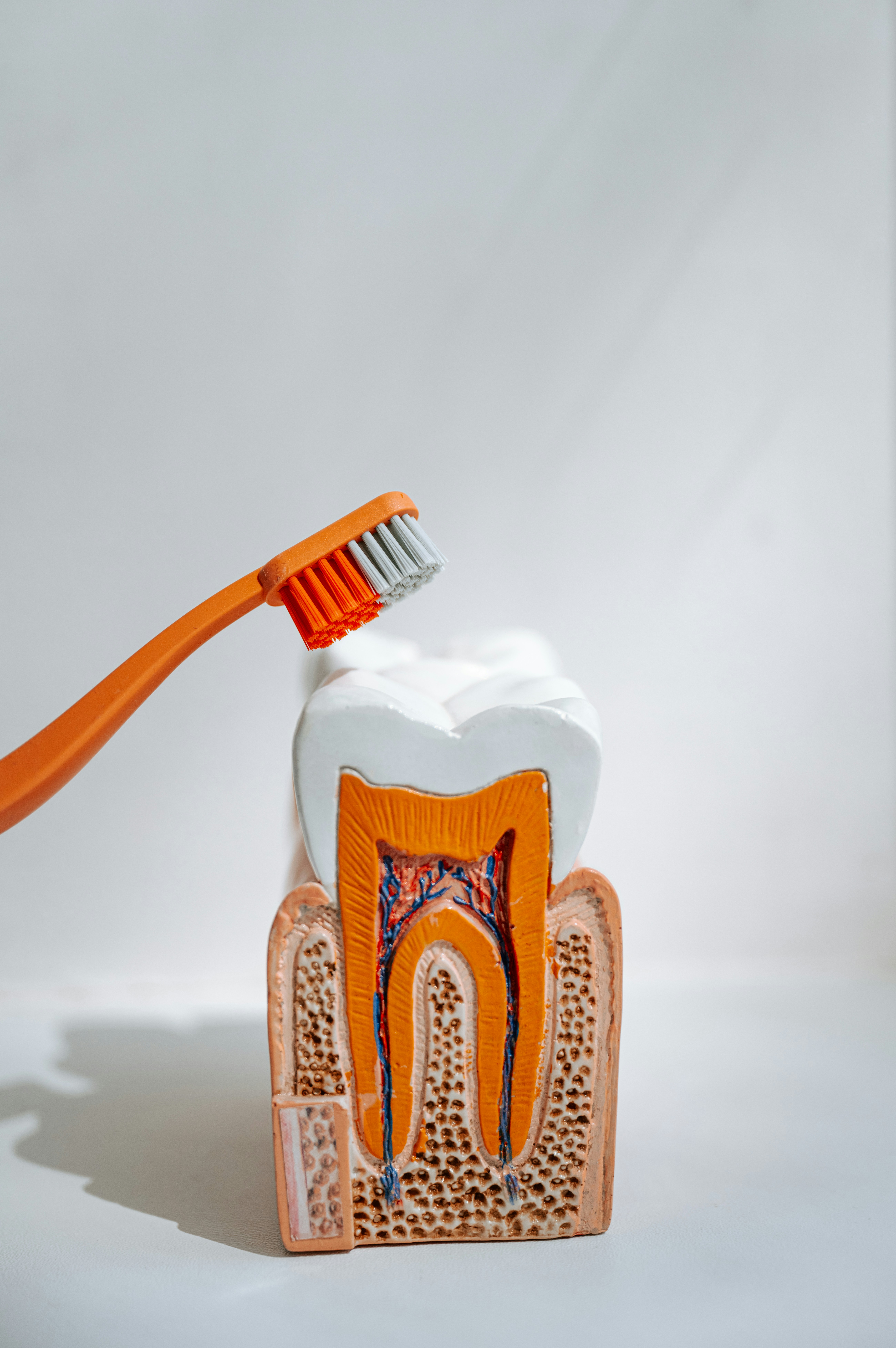
Daily Home Care
- Brush twice daily for 2 minutes with fluoride toothpaste
- Floss once daily — This is non-negotiable
- Use antimicrobial mouthwash to reduce bacteria
- Clean your tongue — Bacteria live there too
- Replace your toothbrush every 3-4 months
Professional Care
- Regular cleanings every 6 months (or more often if recommended)
- Annual comprehensive exams including gum measurements
- Early intervention when problems are detected
Lifestyle Factors
- Quit smoking or using tobacco
- Manage diabetes effectively
- Eat a balanced diet rich in vitamins C and D
- Manage stress
- Stay hydrated
Treatment Options
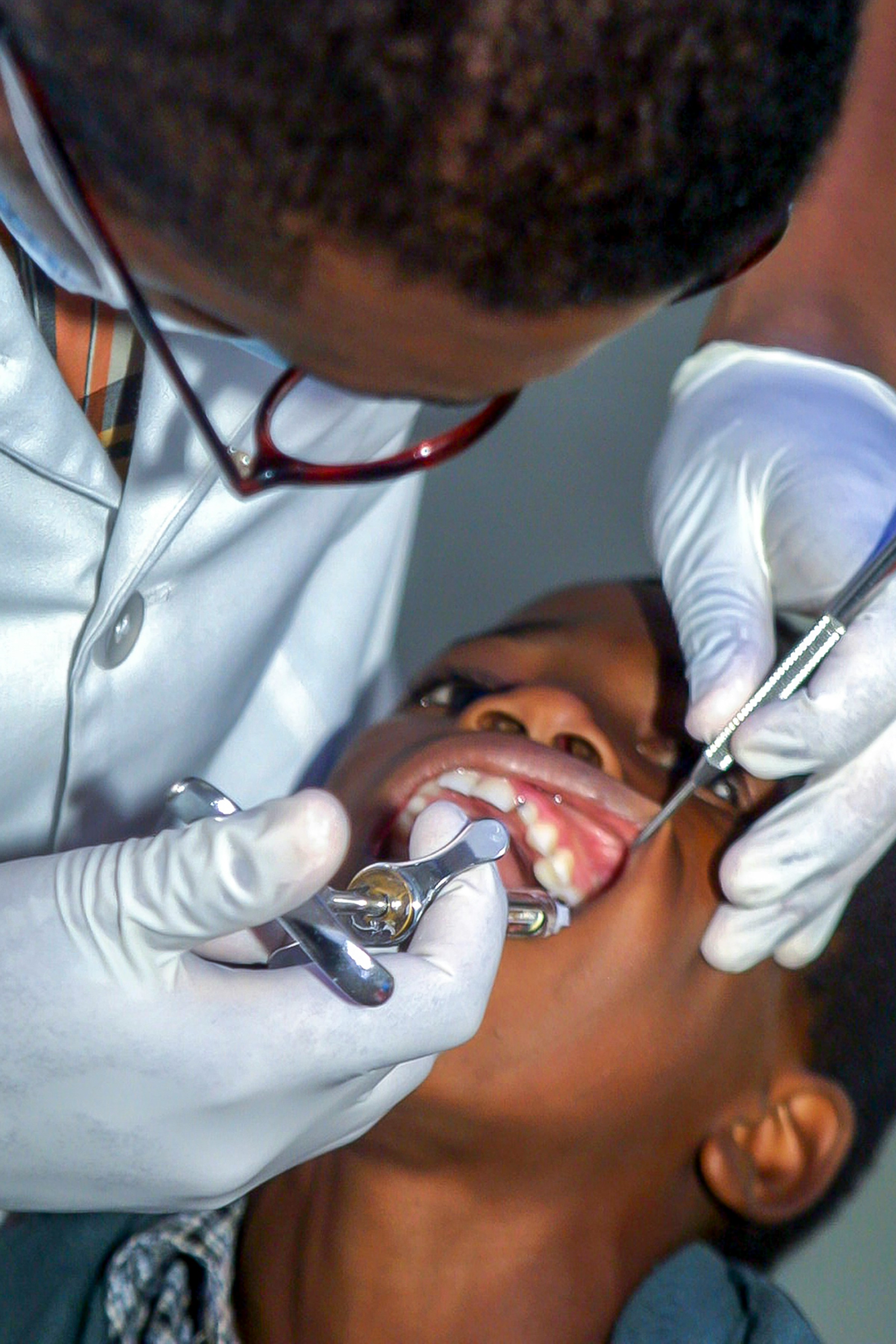
Treatment depends on how advanced the disease is:
For Gingivitis
- Professional cleaning to remove plaque and tartar
- Improved home care routine
- Antimicrobial rinse prescription if needed
- Follow-up appointment to check progress
Good news: Gingivitis is completely reversible with proper care.
For Mild to Moderate Periodontitis
Scaling and Root Planing (Deep Cleaning)
- Removes tartar from below the gum line
- Smooths root surfaces so gums can reattach
- Usually done with local anesthesia
- May require 2-4 visits depending on severity
Antibiotic Therapy
- Topical antibiotics placed in gum pockets
- Oral antibiotics for severe infections
For Advanced Periodontitis
- Flap surgery — Lifts gums to remove deep tartar, then secures gums snugly
- Bone grafts — Rebuilds bone destroyed by disease
- Soft tissue grafts — Covers exposed roots
- Guided tissue regeneration — Helps bone and tissue regrow
- Dental implants — To replace teeth lost to gum disease
What to Expect During Gum Treatment
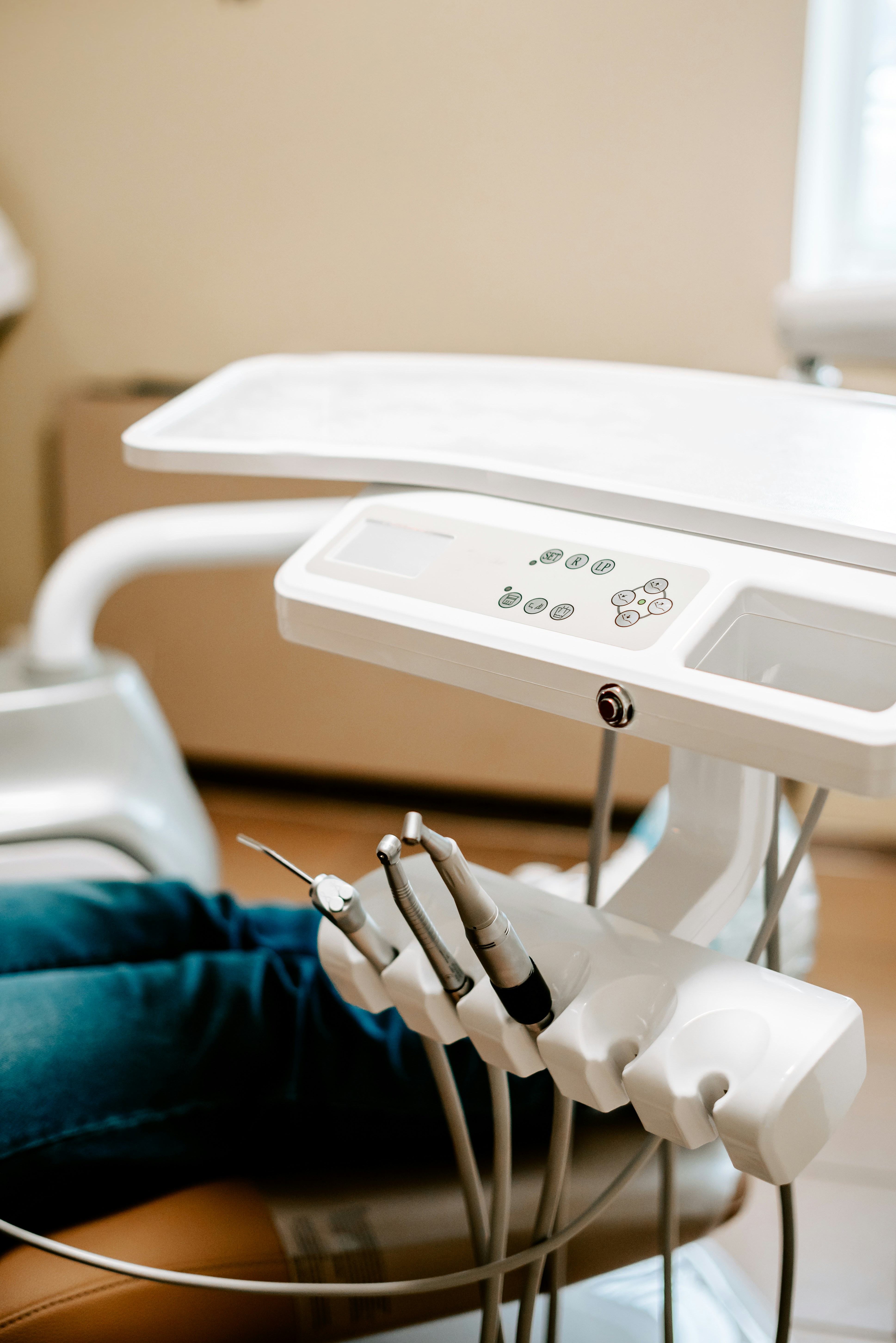
Scaling and Root Planing
- Local anesthesia numbs the area
- Special instruments clean below the gum line
- Root surfaces are smoothed
- Antimicrobial rinse may be applied
- You may experience mild soreness for a few days
Recovery Tips
- Take OTC pain medication as needed
- Rinse with warm salt water
- Eat soft foods for the first day
- Avoid smoking (this is critical for healing)
- Follow prescribed antibiotic regimen completely
Maintaining Results After Treatment
Gum disease can return if you don't maintain good habits:
- Periodontal maintenance cleanings every 3-4 months
- Excellent home care — No shortcuts
- Regular monitoring of gum pocket depths
- Addressing risk factors like smoking or diabetes
The Cost of Ignoring Gum Disease
Untreated gum disease leads to:
- Tooth loss (and expensive replacements)
- Bone deterioration
- Chronic bad breath
- Increased health risks
- More invasive and costly treatments later
Investing in prevention and early treatment saves money, time, and teeth.
Schedule Your Gum Health Evaluation
Not sure about the health of your gums? Dr. Olaes provides comprehensive periodontal evaluations including measuring gum pocket depths—a key indicator of gum health.
Don't wait for pain. Call (858) 487-4683 to schedule your appointment at Carmel Mountain Dentist. We serve patients throughout Carmel Mountain Ranch, Rancho Bernardo, 4S Ranch, Poway, and the greater San Diego area.